People who wants to care and save Pernambuco trees are different – musicians, music lovers, teachers, instrument makers and environmentalists have joined our ranks. Maybe you also want to be a part of Save Pernambuce Trees comittee? You can join the exclusive society, the artisans who participate in a trade passed from master to apprentice for centuries. Our organization has no paid staff. All group results were conducted by volunteer efforts and support of numerous sponsors and partners. You can be sure that your contribution will go to critical infrastructure, or directly to our projects in Brazil. From a contribution of $ 100 or more, we will send one of our posters. For a donation of $ 150 or more, you become a full member of both IPCI-USA .. IPCI Comurnat and find a poster, and access to all past and present newsletters. Distributors can help by participating in our “Plant a Tree” on the label. Also recycling of Pernambuco, in dyeing textiles and paper. Since the IPCI-USA .. is a 501 (c) 3 nonprofit, all contributions and membership dollars are tax deductible. The organization accepts both individual members and supporters.
Monthly Archives: December, 2009
The alternative many contemporary wooden board bow makers will be able to work from their stocks for a long period, but the stores of the world must move to another timber. The smuggling of Pernambuco undermine the efforts of the IPCI-USA to win the confidence of the Brazilian Ministry of Environment (IBAMA) and achieve a sustainable system and process of certification.
Fortunately, there are some very promising timber suitable for channels of high quality. Our committee has control of them and seeking additional opportunities around the world. To pass muster in a forest should not only possess the best characteristics of density, strength and beauty, but should also be a species that is abundant and sustainable. It should be possible to certify the sustainability of the forest, under the FSC, an international certification body of wood. Once we have solved for the best wood species, many leaders of today’s best bow strings from these woods and seek the approval of the musicians. An exhibition on the future of these arcs we will make our conclusions and to encourage the use of these other species. In addition, our goal is to develop a certificate chain of supply for the plants selected wood ready to respond to a duly selected and dimensioned wood.
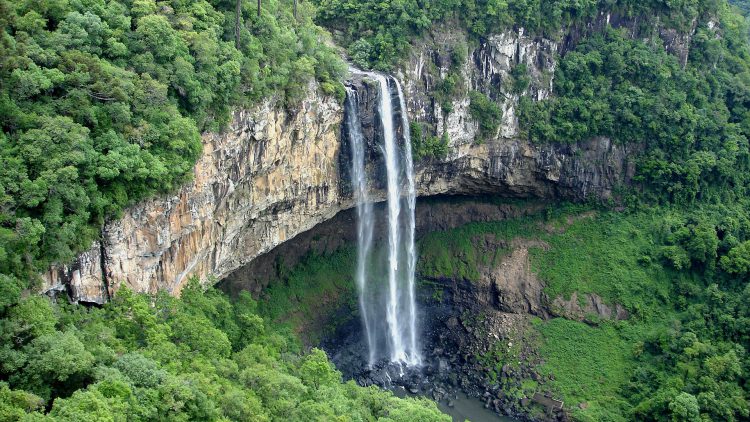
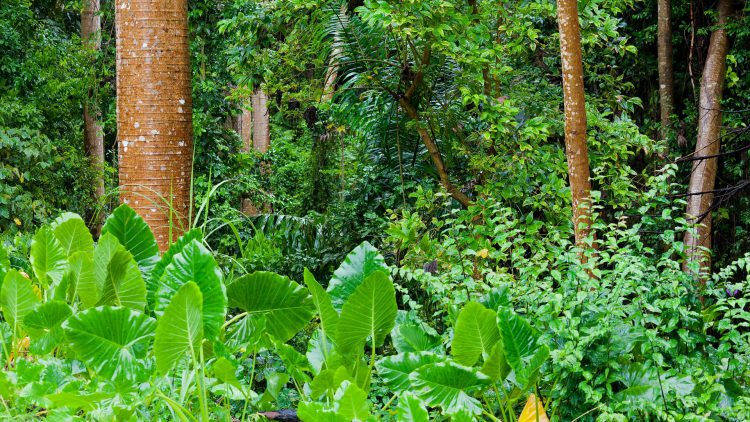
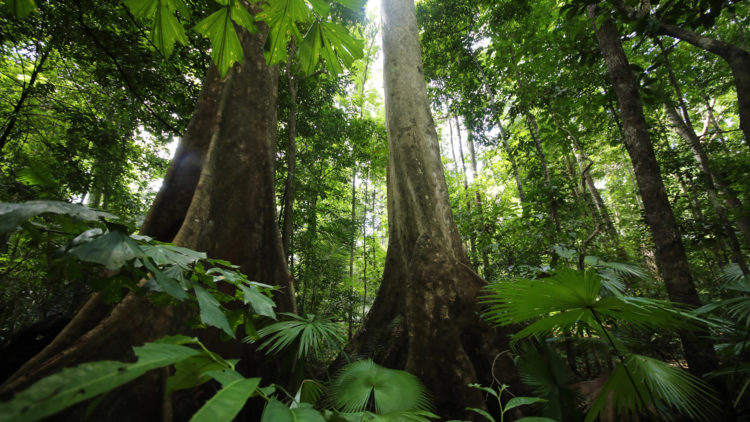
Pernambuco wood, which has value to our business so long is now endangered in many areas of its range of Brazil. Although the massive deforestation is largely to blame for the death of Pernambuco, one recognizes the responsibility for our natural resources and recognize the urgent need to restore. we ask our members to commit to a moratorium on all purchases of wood until the new inventory is currently nearing completion and updating of plans of conservation. The vast majority makers arc of work today are members of IPCI-USA and support this cause. Fortunately, in Brazil, there is also recognition of the importance of saving the habitat of Pernambuco, the Atlantic Forest or Mata Atlantica. We work in partnership with Brazilian institutions and our European counterparts and IPCI Comurnat Germany IPCI inventories, research, propagation, replanting and range of education in the region of the Mata Atlantica. In addition, we are exploring other, perhaps more abundant species of wood able to provide alternatives to wood of Pernambuco.
Pernambuco or Pau-Brasil, Caesalpinia Echinata, it grows slowly, medium and Legume family tree. Its distribution is largely consistent with that of the Atlantic Forest or Mata Atlantica in Brazil. Growth rate of Pau Brazil – depends on several factors such as soil composition, climate or geographic location. While “Sapwood controls on young trees, Heartwood yellow brown or red, that is party to bow, it becomes dominant after twenty years. Reforestation program in the State of Pernambuco showed that trees than thirty years, been used to create wooden arch.
According to some estimates, the Mata Atlantica of the early 21st century, not covering more than 5 to 10% of the surface is covered with pre-Columbian era. In more recent times, 3The decrease is mainly due to the progressive conversion of land to agriculture and urban development.
In the absence of a thorough investigation, and despite the recent discoveries of previously unknown populations of Pernambuco, is generally accepted that the reduction of natural habitat is leading to the decline of the species.
This raises the question of preservation of Pau-Brasil.
Bow and others involved in the music profession will do everything we can to contribute to the conservation and regeneration of this species