Appendix II in 2007, and What Changed in 2022
Two listing decisions fifteen years apart: how international regulation tightened around a single timber species, and what each threshold meant in practice.
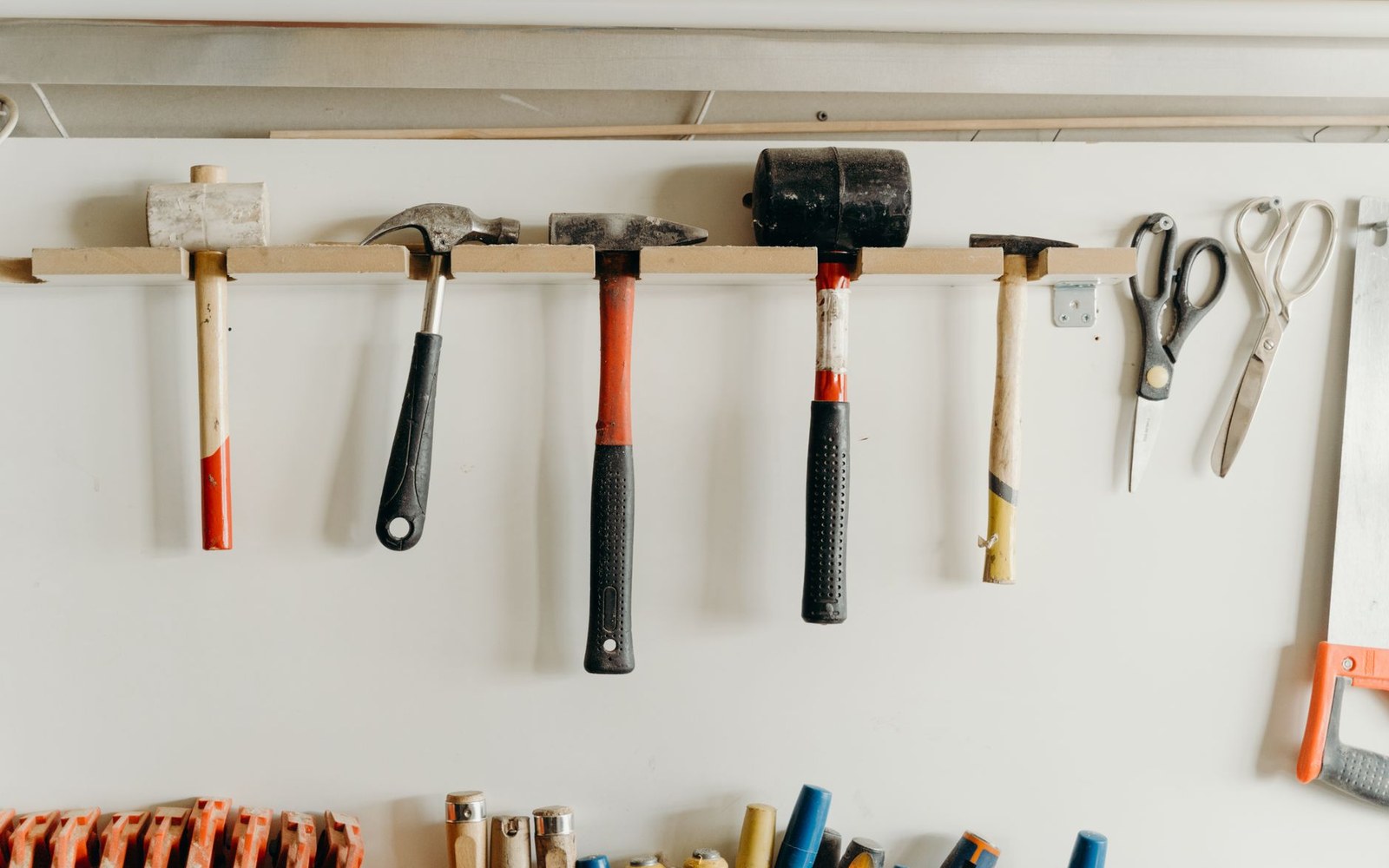
The rail above the bench: everything the maker reaches for without looking away from the work.
Photo: cottonbro studio / Pexels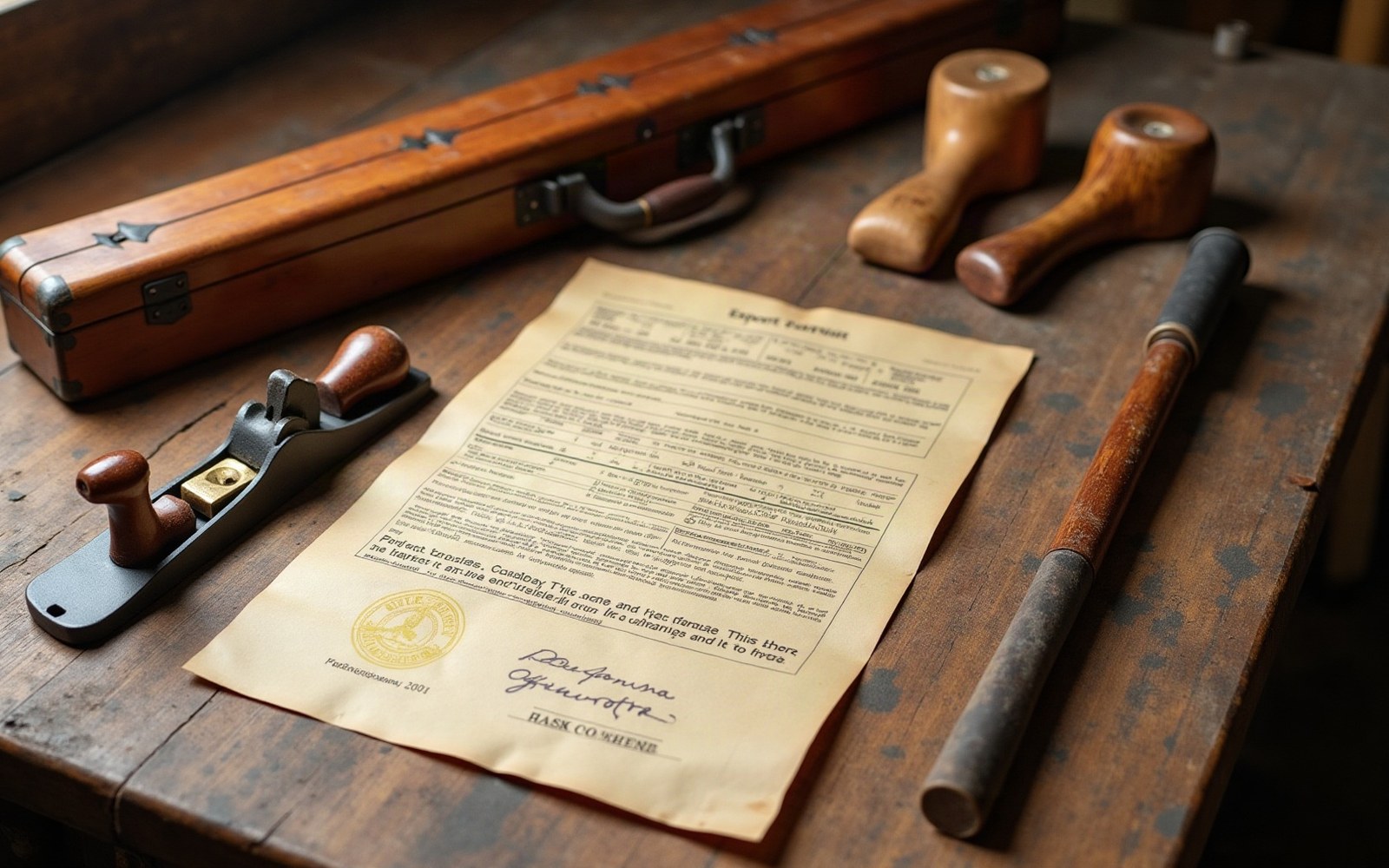
Appendix II in 2007, a stricter listing at CoP19 in 2022. A finished bow now travels with documentation.
The Conditions That Produced the 2007 Listing
By the early 2000s, the ecological situation for Paubrasilia echinata — the pernambuco tree endemic to Brazil's Atlantic Forest — had been deteriorating for the better part of a century. The Mata Atlântica itself had been reduced to fragments: surveys published by Brazilian conservation bodies placed the remaining forest cover at roughly eleven percent of its original extent, scattered across coastal states from Bahia south through Espírito Santo and Rio de Janeiro. Within that remnant, pernambuco was doubly pressured — it had been logged commercially since the sixteenth century for its brazilin dye content, and the modern bow trade continued to draw on old-growth stands where they survived.
At the fourteenth meeting of the Conference of the Parties (CoP14), held in The Hague in 2007, Brazil submitted a proposal to list Paubrasilia echinata — then still classified under the name Caesalpinia echinata — on CITES Appendix II. An Appendix II listing does not prohibit trade; it requires that any export be accompanied by a permit confirming the specimen was legally obtained and that the trade level will not be detrimental to wild populations. The proposal was adopted. From that point, every pernambuco bow stick, every piece of raw timber, and every worked blank crossing an international border required documentation issued by the exporting authority — in Brazil's case, IBAMA, the Instituto Brasileiro do Meio Ambiente e dos Recursos Naturais Renováveis.
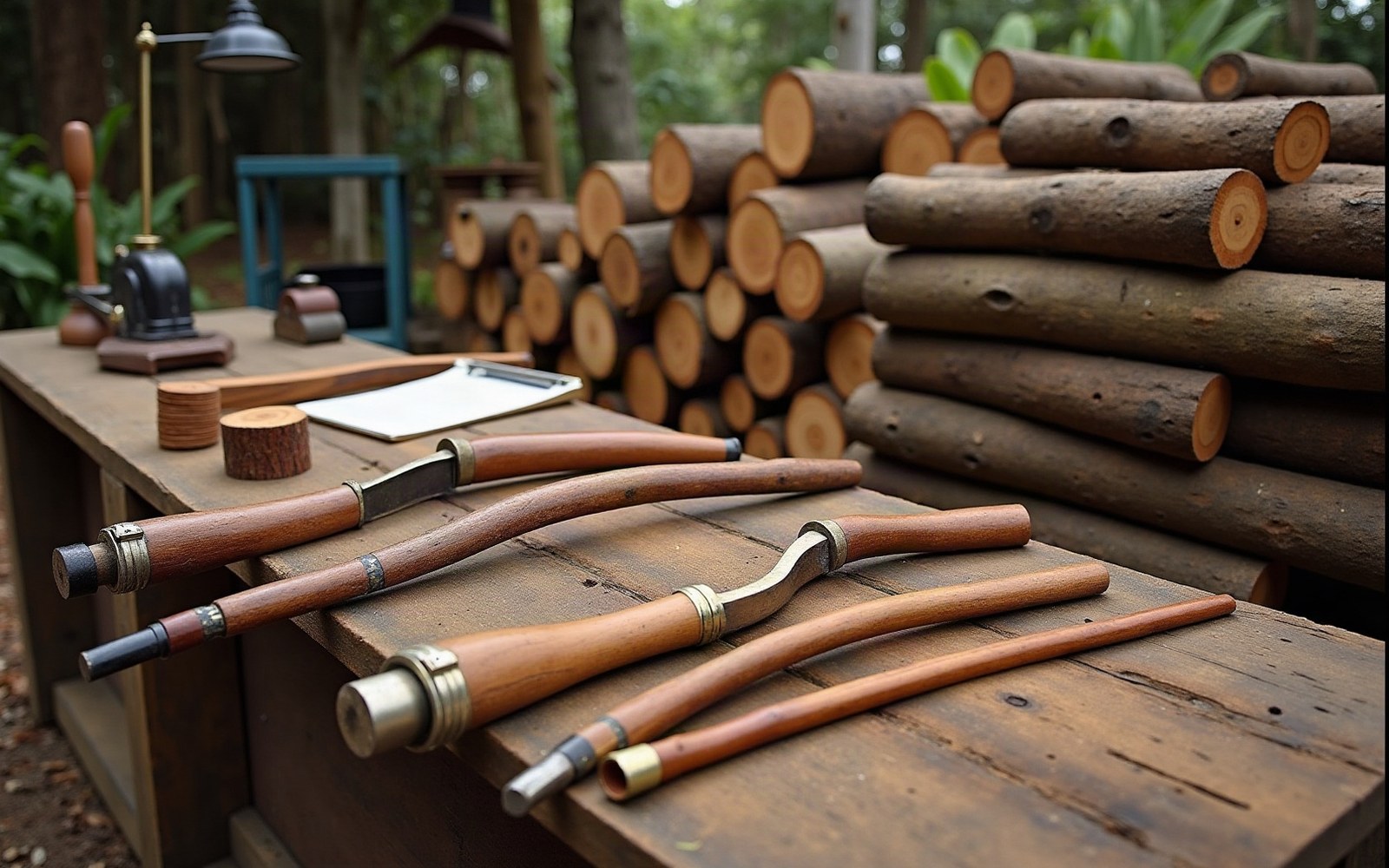
IBAMA controls extraction and export inside Brazil — the layer that sits beneath the treaty.
The listing created an immediate administrative reality for instrument makers in Mirecourt, Markneukirchen, London and beyond. Wood purchased before CoP14 required pre-convention documentation to move legally; new supplies needed fresh permits. Orchestras and soloists travelling internationally with pernambuco bows discovered that the instrument itself — the stick — was now a regulated object at customs.
What 2022 Tightened, and Why
The 2022 change came at CoP19, held in Panama City in November of that year. The amendment did not move pernambuco to Appendix I, which would have prohibited commercial trade outright. Instead, it applied an annotation: a stricter set of conditions governing worked wood in the form of bow sticks. The CITES Secretariat's documentation for CoP19 recorded the scientific evidence supporting the tightening — population modelling, ongoing habitat loss and the assessment by the IUCN, which lists Paubrasilia echinata as Endangered on its Red List.
The practical effect was to close several loopholes that had operated since 2007. Under the original listing, finished bows in personal use had enjoyed a travelling musician exemption that was applied inconsistently across jurisdictions. The 2022 amendment clarified the conditions under which that exemption applied and narrowed the definition of what qualified as personal rather than commercial movement. For auction houses such as Tarisio and Sotheby's, the implications were direct: historic bows consigned across national borders now required more explicit documentation chains.
For makers and researchers, the 2022 tightening accelerated two parallel conversations that had been under way since 2007. The International Pernambuco Conservation Initiative had already been coordinating replanting programmes in the Atlantic Forest states. And the material science literature — comparing pernambuco's modulus of elasticity and internal damping coefficient against carbon-fibre composites — gained renewed urgency as makers weighed alternatives. Neither conversation reached a resolution: pernambuco remained without a substitute that the bow-making community regarded as equivalent, and the replanted trees remained decades from harvestable maturity.
What the two listing events together document is a regulatory arc moving in one direction — not toward prohibition, but toward steadily reduced tolerance for undocumented movement of a species whose wild population has no trajectory that supports relaxed oversight. The 2007 decision created the permit infrastructure; the 2022 amendment demanded that it be used more precisely.
- 1500s onwardpernambuco logged for brazilin dye
- 2007, CoP14, The HaguePaubrasilia echinata (as Caesalpinia echinata) listed on CITES Appendix II; IBAMA becomes the Brazilian permit authority
- 2016species reclassified and renamed Paubrasilia echinata
- 2022, CoP19, Panama Cityannotation added; travelling musician exemption tightened; documentation requirements strengthened