The Documents That Cross the Border With the Bow
The CITES permit system and the musical instrument certificate: what the paperwork actually says.
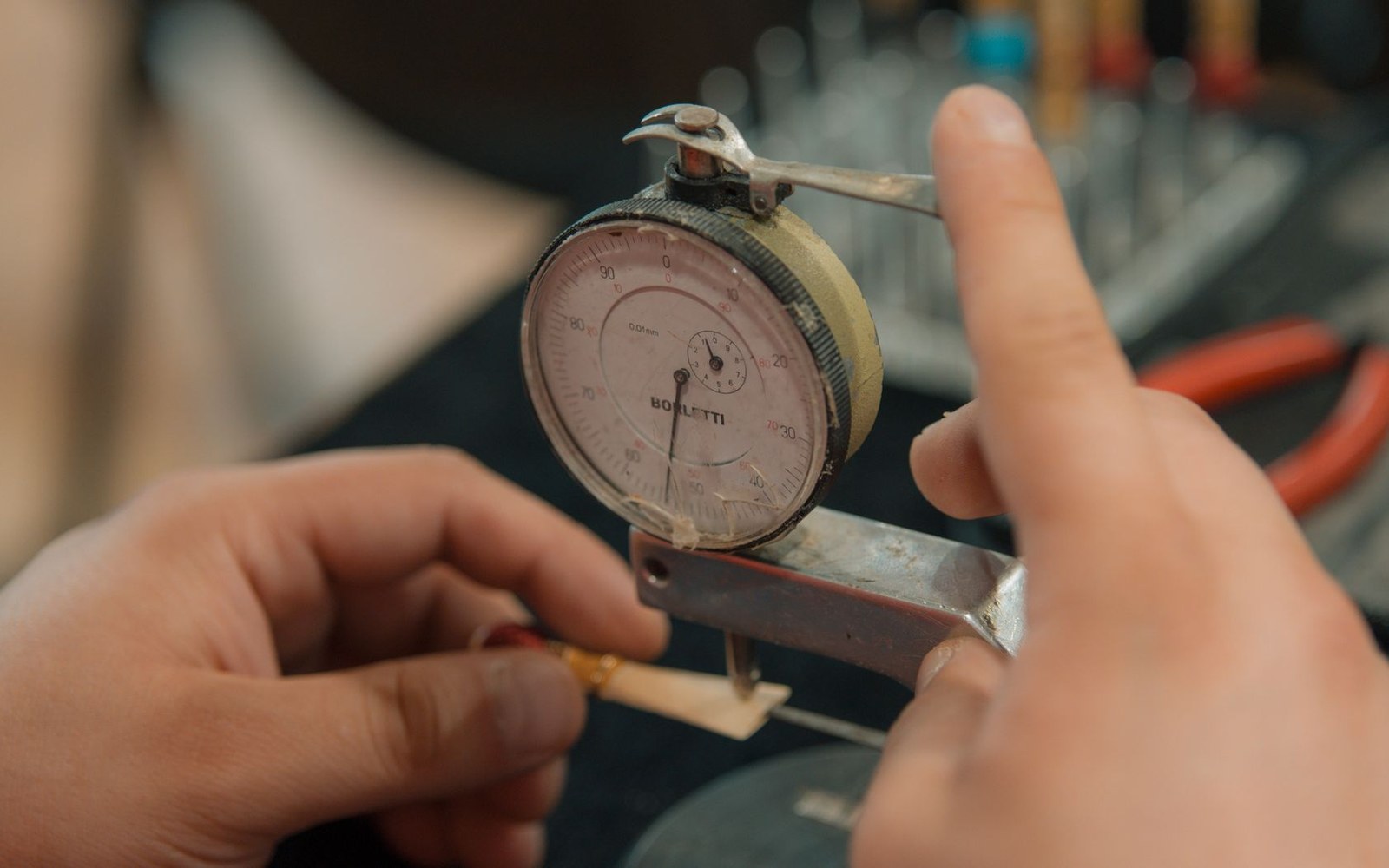
Thumb planes, calipers, gauge. Almost all of bow making is removing material that cannot be put back.
Photo: Sandin Redzo / Pexels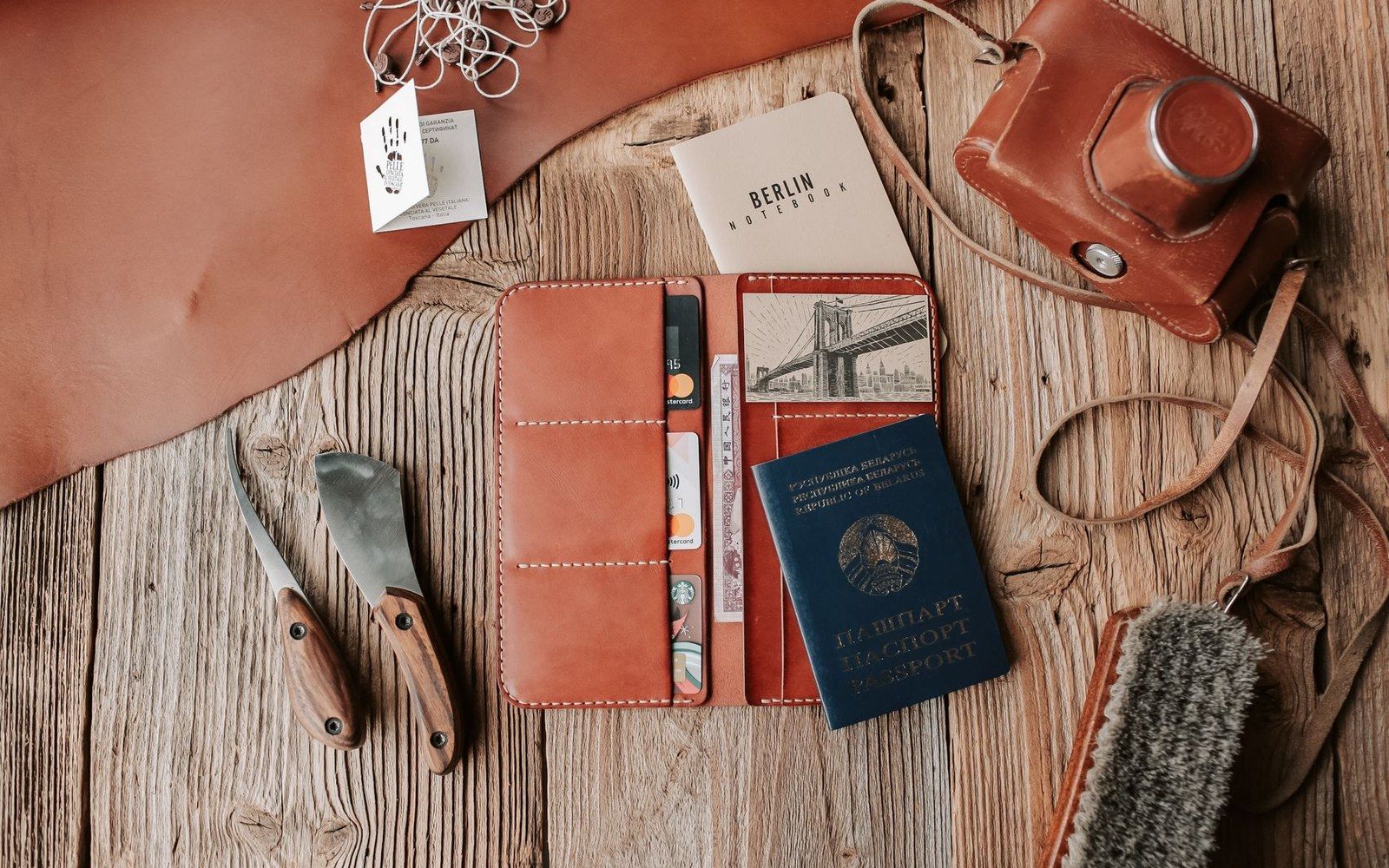
The musical instrument certificate covers repeated crossings by one instrument rather than one shipment.
Photo: Vlada Karpovich / PexelsA Regulated Object in a Case
Pernambuco has been listed on CITES Appendix II since 2007, which means every international movement of the wood — including wood already worked into a bow stick — is subject to treaty regulation. The permit that accompanies a commercial shipment is a standard CITES export document issued by the country of export and checked by the country of import. It names the species (Paubrasilia echinata), the quantity, the declared purpose and the exporter. A bow crosses a border as a manufactured article, but the listing covers worked and unworked specimens alike, so the stick inside the case is a regulated object regardless of its age or finish.
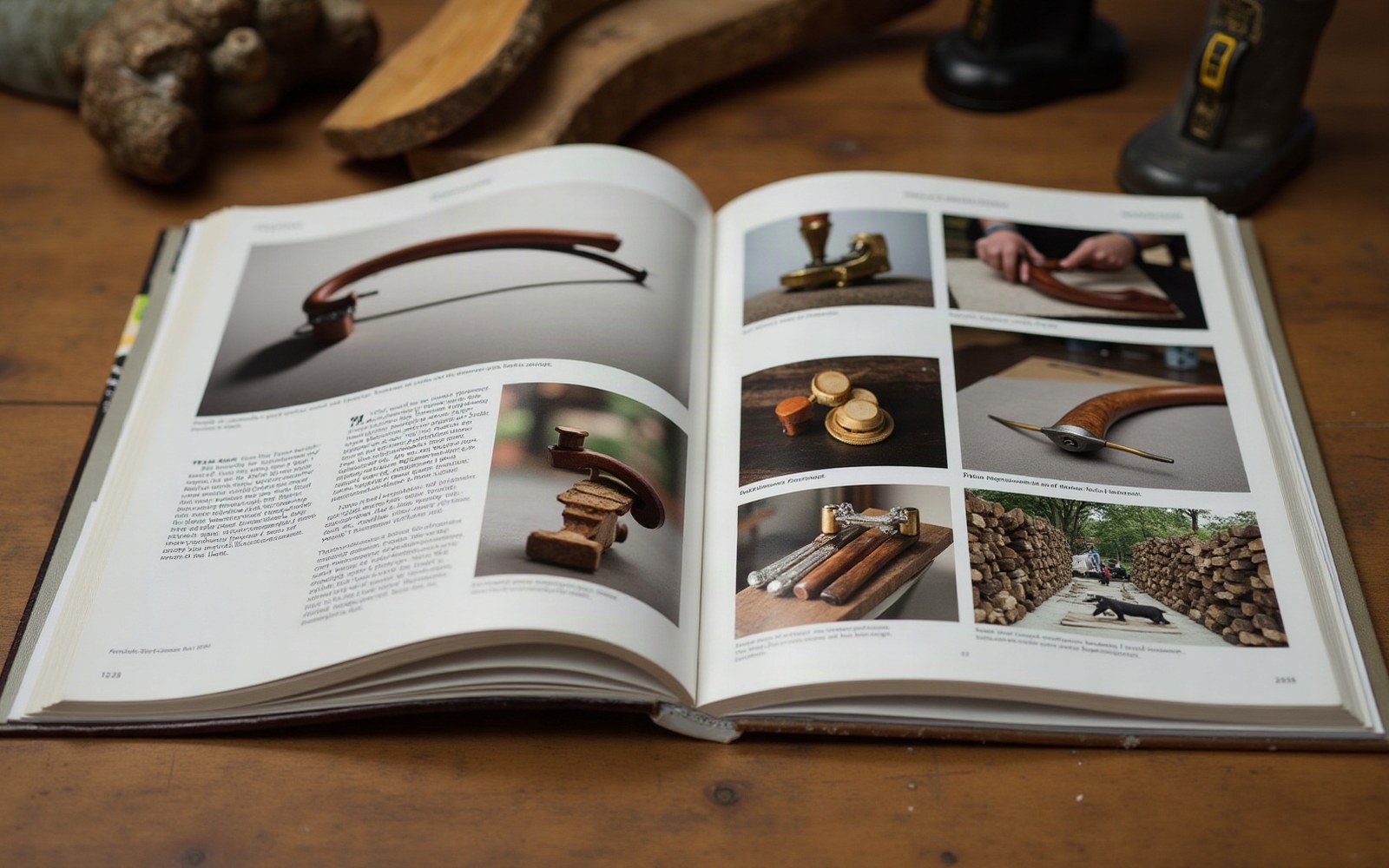
Catalogues read here as attribution history: who was named, when, and on what evidence.
For many years this created a practical problem for professional musicians, who cross multiple borders in a single tour. Each crossing, on a strict reading, required a fresh permit — a demand that could not be met at pace with a touring schedule. The CITES Secretariat addressed this through the musical instrument certificate (MIC), a mechanism formalised in Conference of the Parties Resolution Conf. 16.8, adopted at Bangkok in 2013. The MIC is issued by the competent authority of the musician's country of residence and is valid for multiple border crossings over a period of up to three years. It is tied to the individual instrument or bow by description and, where available, serial number or photograph, and it requires the holder to carry the item personally and to present it on request.
The MIC does not exempt the object from regulation — it is itself a CITES document, not a waiver of the treaty. It records the species, confirms that the item was acquired legally, and binds the holder to personal carriage. Commercial shipments, instrument loans between institutions, and sales between dealers continue to require the standard per-shipment export and import permits. The distinction the MIC draws is between a musician travelling with a working tool and a consignment entering trade: the paperwork is different because IBAMA and its counterpart authorities in other signatory states treat the two movements as categorically distinct events.
- CITES Appendix II listingapplied to Paubrasilia echinata from 2007; governs all international movement of the species including worked articles such as bow sticks
- Standard CITES export permitissued per shipment by the exporting country's CITES management authority; names species, quantity, purpose and exporter
- Musical instrument certificate (MIC)introduced under Resolution Conf. 16.8 (Bangkok, 2013); valid for multiple crossings over up to three years; tied to the individual item and the individual holder
- Personal carriage requirementa condition of the MIC: the holder must travel with the instrument and present it on request; the certificate does not cover consignments