What IBAMA Controls and How the Export Record Works
The CITES permit a bow crosses a border with is the visible face of a deeper domestic apparatus — one that begins inside Brazil, before the wood ever reaches a workshop.
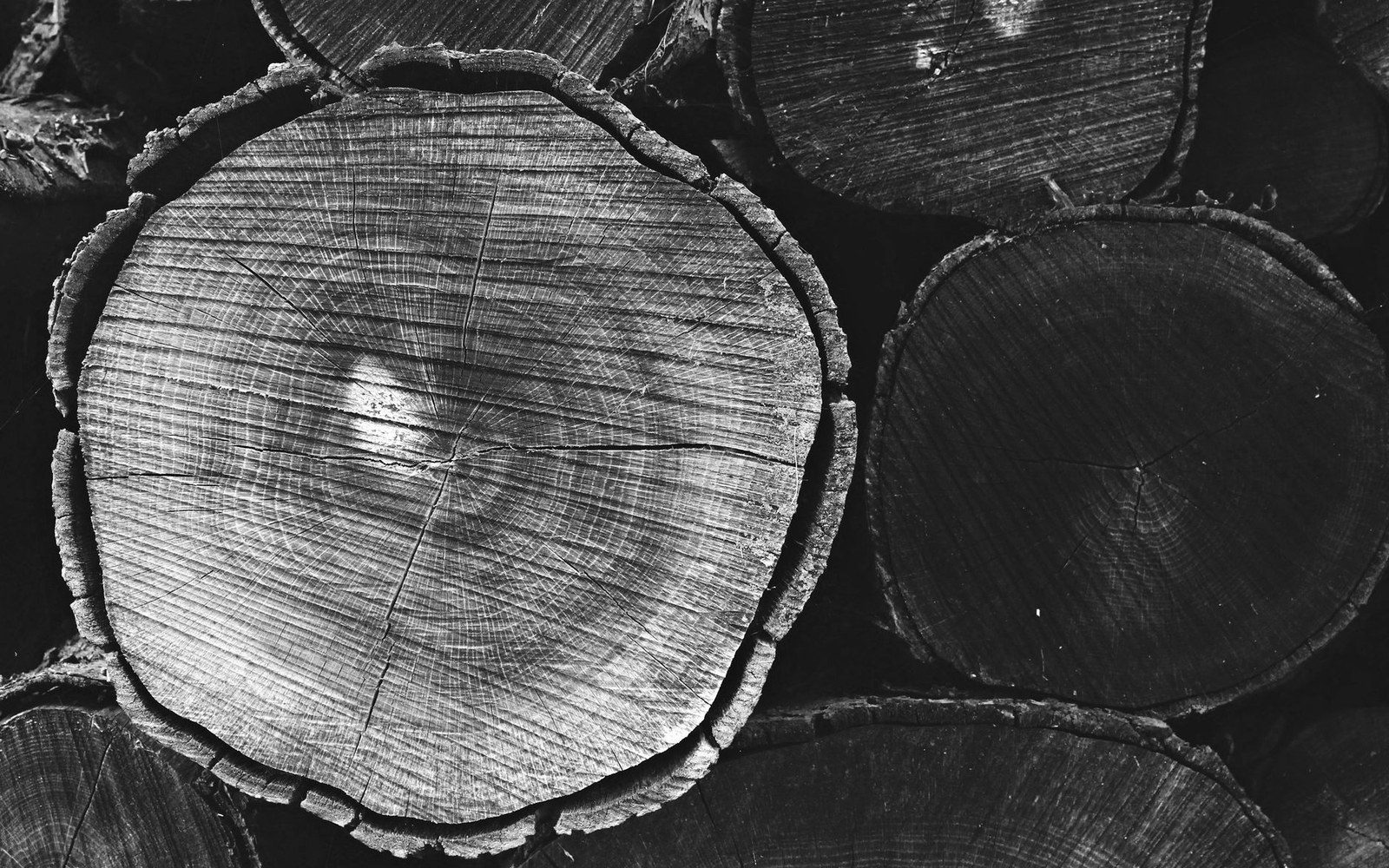
Growth rings and red heartwood. Brazilin, the dye that named the country, comes out of that colour.
Photo: Pixabay / Pexels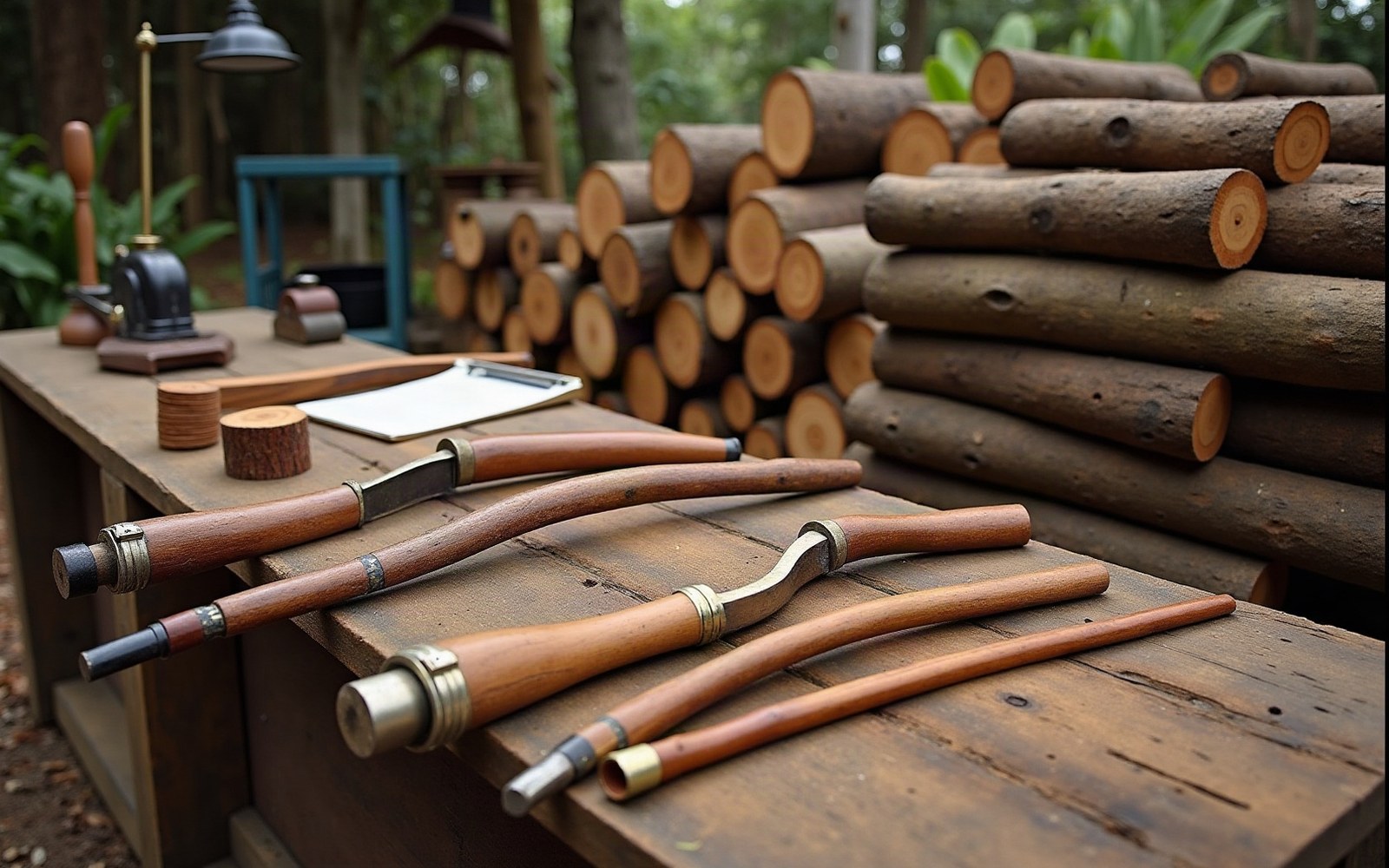
IBAMA controls extraction and export inside Brazil — the layer that sits beneath the treaty.
Brazil's Environmental Regulator and the Wood Beneath the Treaty
IBAMA — Instituto Brasileiro do Meio Ambiente e dos Recursos Naturais Renováveis, Brazil's federal environmental agency — sits at the source of the regulatory chain for Paubrasilia echinata. Where CITES governs the moment of export, IBAMA governs everything before it: the right to extract, to hold, to process and ultimately to authorise a shipment. Without an IBAMA clearance, no CITES permit issues, because the CITES Appendix II listing depends on the exporting country's own management authority confirming that a given export will not be detrimental to the species in the wild.
That non-detriment finding is not automatic. IBAMA assesses it against the species' conservation status, the documented source of the timber and the quantity involved. Pernambuco extracted under legal permit before commercial harvesting was effectively halted is distinguished in Brazilian records from timber that entered the supply chain through irregular channels — a distinction that matters acutely when bow makers and dealers apply for export authorisation for worked sticks or blanks. IBAMA's Sistema Nacional de Controle da Origem dos Produtos Florestais, known as SINAFLOR, is the database through which legally sourced Brazilian timber is tracked from the point of extraction onward.
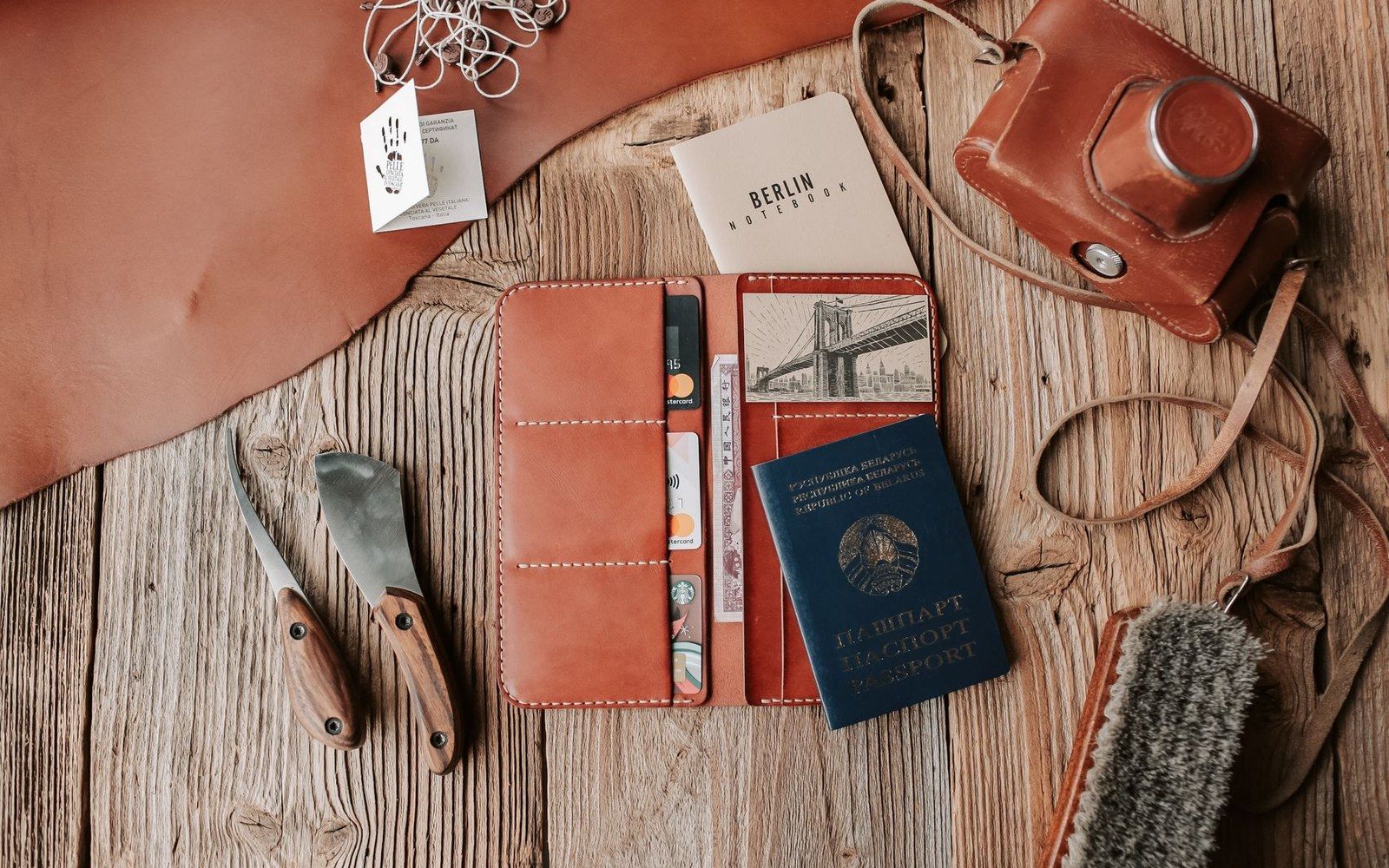
The musical instrument certificate covers repeated crossings by one instrument rather than one shipment.
Photo: Vlada Karpovich / PexelsFor the bow trade, the practical consequence is that legally exportable pernambuco is essentially legacy stock: wood extracted and documented before restrictions tightened, held by registered suppliers or makers and carried through the IBAMA-to-CITES chain on the strength of its existing documentation. New extraction of wild Paubrasilia echinata for commercial purposes is not legally permitted under Brazilian law. The species has been listed in Brazil's official flora-at-risk register, and IBAMA enforces that listing domestically independently of the international treaty.
The export record itself, when it exists, is a layered document: IBAMA authorisation, CITES export permit issued by Brazil's management authority, and in many cases the corresponding import permit of the receiving country. For bows already in circulation outside Brazil — the overwhelming majority of instruments in active use — the question is not export but re-export, which triggers its own permit requirements under CITES and depends on the documentation the bow has accumulated across its history. That accumulated paper trail is what auction specialists at houses such as Tarisio and Sotheby's examine when a significant bow changes hands, and what any border crossing of a played instrument may require.
- Early 1990sPernambuco listed on Brazil's national threatened flora register
- 2007Paubrasilia echinata listed on CITES Appendix II; export permits required internationally
- 2022CITES listing reviewed and strengthened at CoP19