Dated Prices: What the Auction Catalogues Show

The rail above the bench: everything the maker reaches for without looking away from the work.
Photo: cottonbro studio / Pexels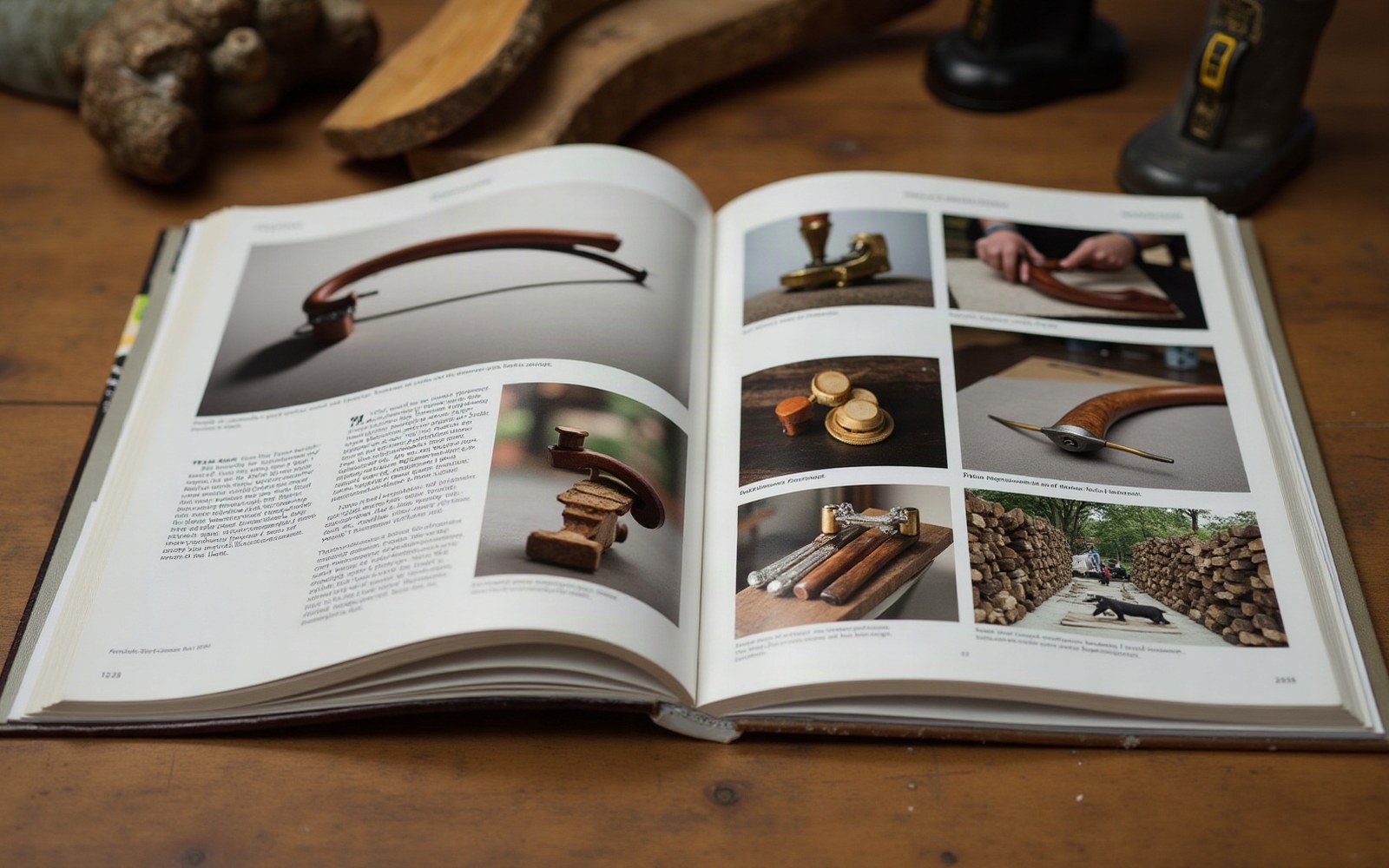
Catalogues read here as attribution history: who was named, when, and on what evidence.
The catalogue as document, not price guide
Auction catalogues carry a reputation they do not quite deserve: they are consulted for what something fetched and then set aside. For bow scholarship, that instinct inverts the actual value. The description that accompanies a lot — the attribution, the stated condition, the provenance chain, the comparison pieces cited — is a primary source. The hammer price is almost incidental; what the cataloguer wrote in order to justify that price is the evidence.
Tarisio, whose archive of past results is publicly searchable, and Sotheby's, whose musical-instrument sales generated catalogues across several decades before the department's restructuring, together constitute the most accessible continuous record of how bow attributions have shifted in the anglophone market. Reading across them chronologically, rather than by maker, reveals how the field's attribution frameworks have tightened, loosened, and occasionally reversed.
What the numbers and the words together show
A Dominique Peccatte bow offered at Sotheby's in the 1990s would typically carry a description grounded in stick geometry and head profile, with comparisons to instruments held at the Cité de la Musique or documented in the Hill archive. The attribution was the argument; the price followed. When Tarisio's online catalogue archive began accumulating results through the 2000s, it made those arguments — not just the outcomes — comparable across sales and across years in a way no single auction house's internal records had previously allowed.

Endangered on the Red List. The assessment sets population decline against what is left of the forest.
François Nicolas Voirin sticks, which in earlier Sotheby's catalogues were sometimes listed as Peccatte school or simply as French, late nineteenth century, are increasingly attributed with confidence in post-2000 Tarisio lots, with the distinguishing characteristics set out in prose: the refined head chamfer, the particular taper of the octagonal stick, the brand stamp's depth and serif. Whether that confidence is warranted is a separate question; the cataloguer's stated reasoning is itself a data point about evolving attributive method.
Eugène Sartory, whose work straddles the nineteenth and twentieth centuries, provides a different illustration. Sartory sticks sold at auction show a price range in the published record that reflects condition and attribution grade more than simple maker identity — a pattern legible only when the full catalogue description accompanies the result. A Tarisio result listing a Sartory at a substantially lower figure than a comparable lot from the same period is almost never unexplained; the text usually specifies a replaced frog, an uneven camber or a brand stamp whose depth gave pause. Those qualifications are the scholarship.
- Pre-2000 Sotheby's cataloguesattributions often group or school-based; maker profiles broad
- Post-2000 Tarisio archiveindividual hand increasingly distinguished; distinguishing criteria stated in text
- Post-2007 CITES listingsmaterial descriptions in catalogues begin to reflect regulatory constraints on ivory and tortoiseshell
- Post-2022 CITES tighteningpernambuco export permits referenced in provenance notes for post-listing instruments
Bows attributed to W. E. Hill & Sons and to Hermann Richard Pfretzschner — workshop rather than individual-hand attributions — appear in the record with a different descriptive grammar. Here the cataloguer is assigning production context rather than personal authorship, and the language shifts accordingly: "branded and certificated," "consistent with the firm's output in the first decade of the twentieth century," "in the Hill manner." Those phrases carry historiographic meaning that outlasts whatever the lot realised on the day.
The record's blind spots
The auction record is not neutral evidence. It captures what passed through rooms in London, New York and Paris with sufficient provenance and reserve to justify a catalogue entry. Brazilian makers of the twentieth century, however accomplished, appear rarely in this archive; the documentation of their work sits in different institutional hands, and the auction record's silence is a structural gap rather than an aesthetic verdict.
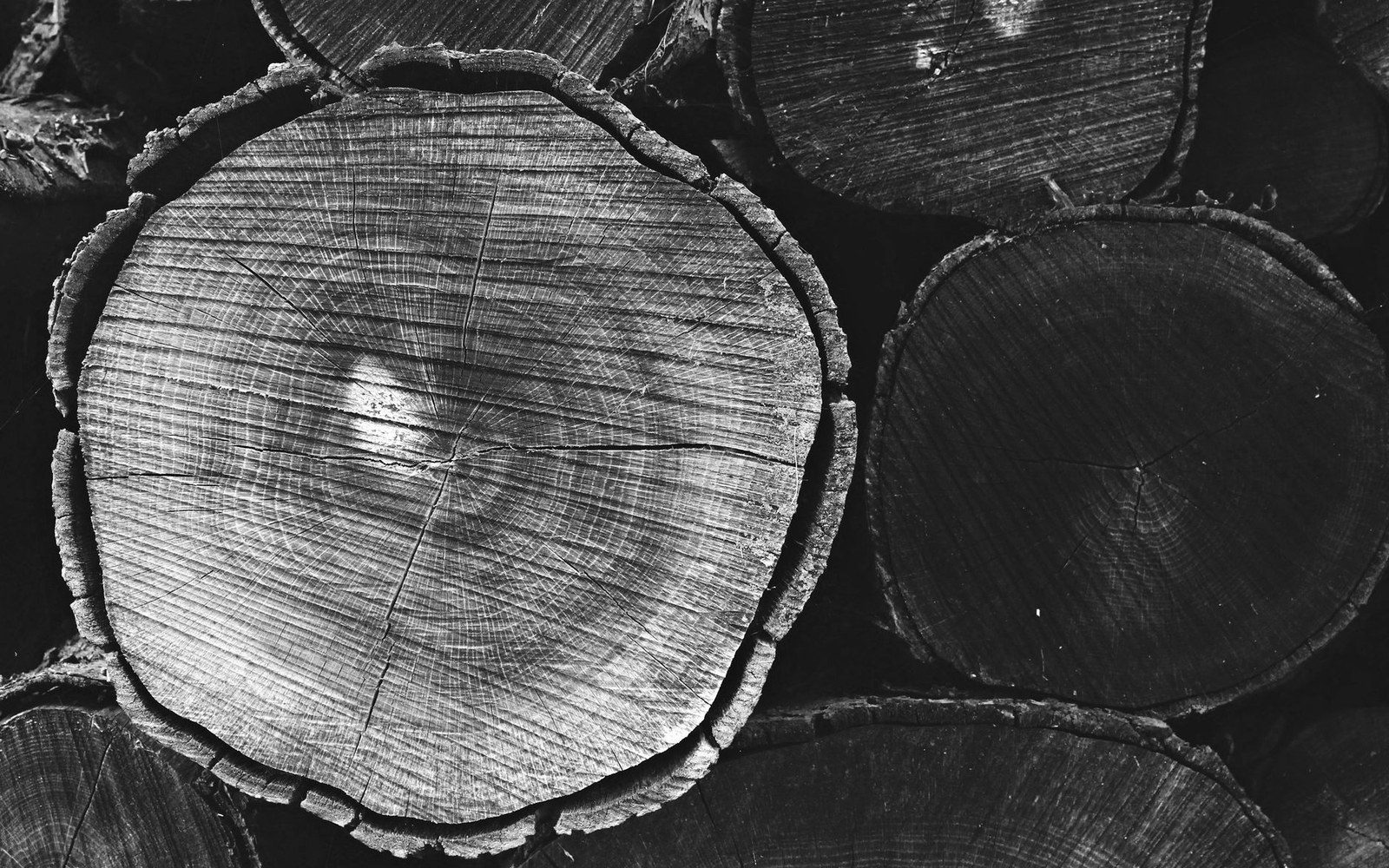
Growth rings and red heartwood. Brazilin, the dye that named the country, comes out of that colour.
Photo: Pixabay / PexelsThe record also reflects material history in ways that are now regulated. Bows with pre-ban ivory frogs, for instance, appear in older Sotheby's catalogues described with straightforward material notes; later entries reflect the CITES Appendix II constraints that govern the cross-border movement of such instruments and affect both what can be offered and how it must be described. The shift in catalogue language around those materials is itself dateable and documentable.
None of this is a guide to what any bow is worth, and the published record should not be read that way. Prices move with markets, currencies, provenance fashions and room temperature. Attributions move with scholarship. The catalogue page where both are recorded simultaneously — a description argued at a moment, a figure struck on that same day — is a primary document precisely because it holds those two unstable things still, together, for the length of a printed paragraph.
| camber | the bow stick's inward curve; noted in catalogues when degraded or altered |
| octagonal stick | eight-faced cross-section; a distinguishing characteristic cited in Voirin attributions |
| frog | the lower-end tensioning block; its originality or replacement is routinely flagged as affecting value |
| brand stamp | the maker's mark impressed into the stick; depth, serif and placement are primary attribution criteria in the auction record |