W. E. Hill & Sons and Hermann Richard Pfretzschner: the Workshop at Scale
When a bow carries a name but not a single hand, what does the attribution actually mean?
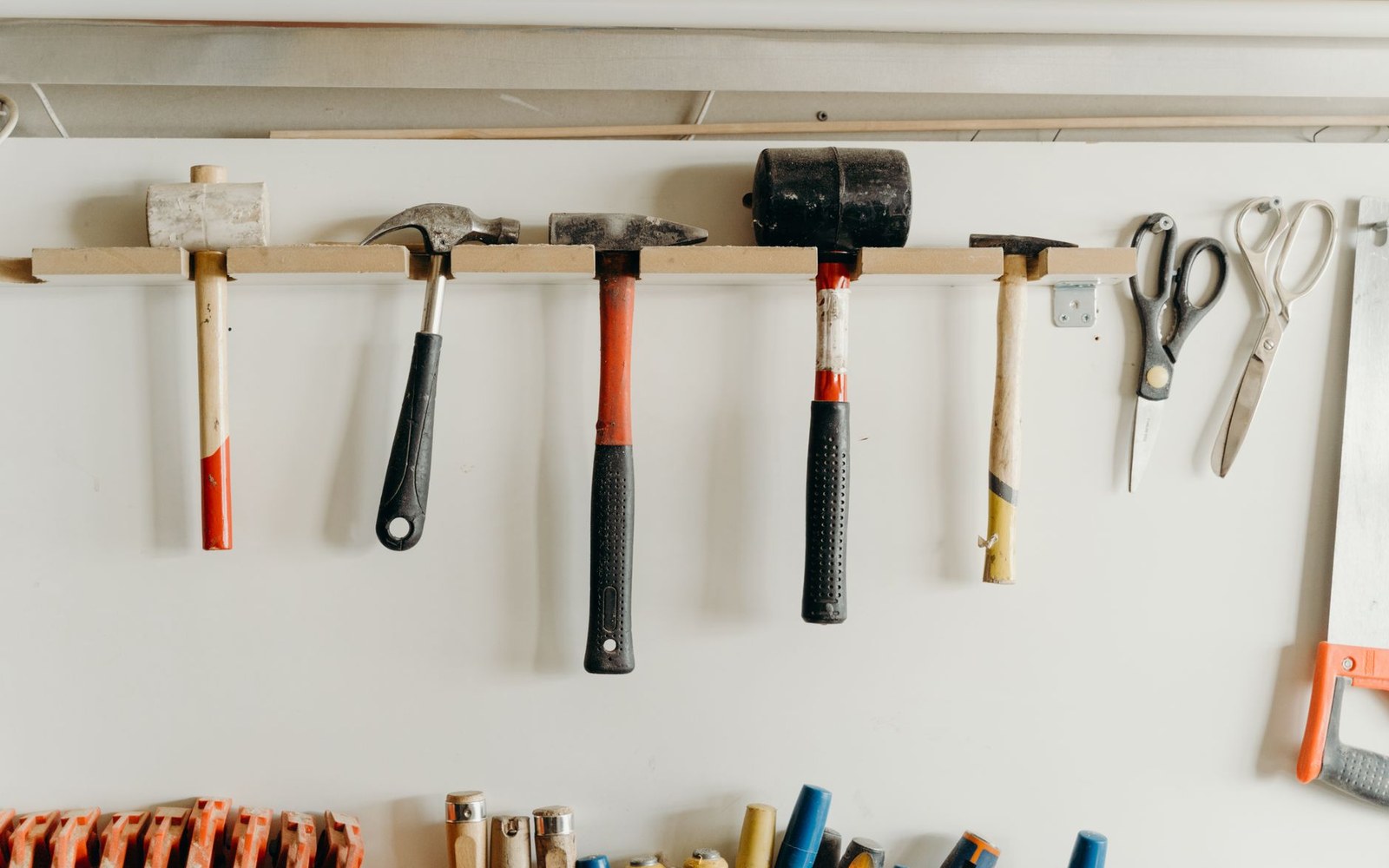
The rail above the bench: everything the maker reaches for without looking away from the work.
Photo: cottonbro studio / Pexels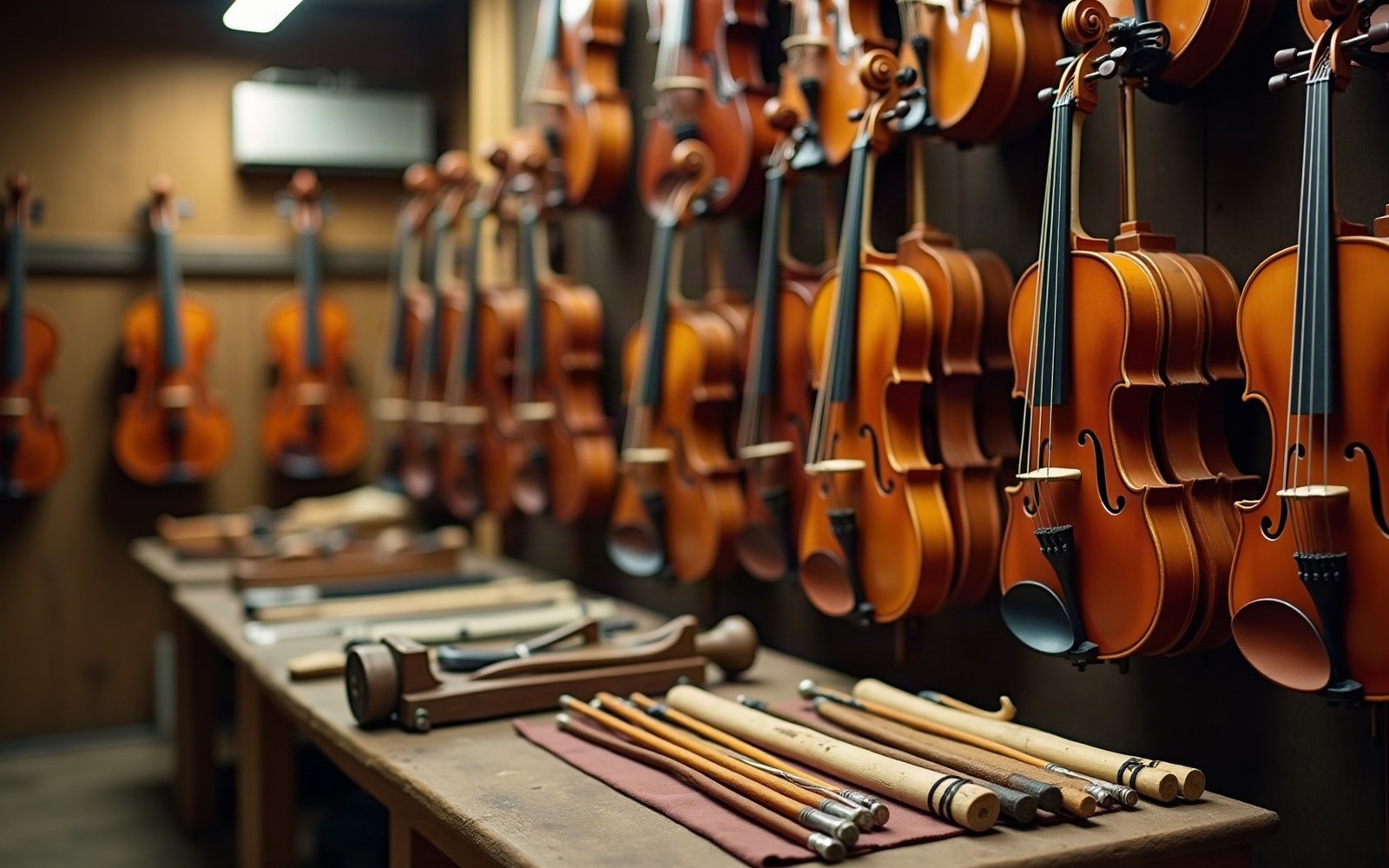
A workshop bow carries a house stamp rather than a hand. Hill and Pfretzschner both worked at scale.
The Argument the Label Cannot Make
By the early twentieth century, W. E. Hill & Sons in London and Hermann Richard Pfretzschner in Markneukirchen had each built something the great French masters never attempted: a workshop operating at genuine scale. Hill employed specialist craftsmen — one for sticks, another for frogs, another for finishing — so that a bow stamped with the firm's name represented a coordinated output rather than a single maker's judgement from blank to burnish. Pfretzschner, working within Markneukirchen's dense trade network, drew on the region's long tradition of divided labour, where components moved between hands before final assembly and quality control under the master's eye.
Neither system was a corruption of the craft. Hill's attributed bows were subject to exacting house standards, documented in part through the firm's own meticulous records, some of which entered the collections of the Ashmolean Museum in Oxford. Pfretzschner's output served the professional market reliably for decades, and examples continue to appear in dated auction records carrying attributions that hold under scrutiny.

The tradition that grew up beside the supply, and that the European record has consistently underweighted.
Photo: Filipe Braggio / PexelsThe distinction that matters is between a workshop bow and a maker's bow. A bow by Dominique Peccatte or François Nicolas Voirin bears the physical logic of one person's trained hand — camber decisions, weight distribution, the particular attack of the head. A workshop bow embodies a standard: it meets the house specification, but the specification itself is the authorship. Hill's standard was high enough that its bows entered collections alongside French work; Pfretzschner's was consistent enough that the professional trade trusted it across two continents.
What the stamp cannot convey is which hands held the drawknife. That ambiguity is not a flaw in the attribution system — it is simply what attribution at scale means, and any honest evaluation of these bows begins by acknowledging it.
- In 2016 the pernambuco wood used for these bows, long known as Caesalpinia echinata, was reclassified as Paubrasilia echinata.