Horsehair, Rosin, and the Friction the Whole Thing Depends On
The bow does not move the string by gripping it. It moves the string by releasing it — repeatedly, at hundreds of cycles per second — and understanding why demands a closer look at what rosin actually is.
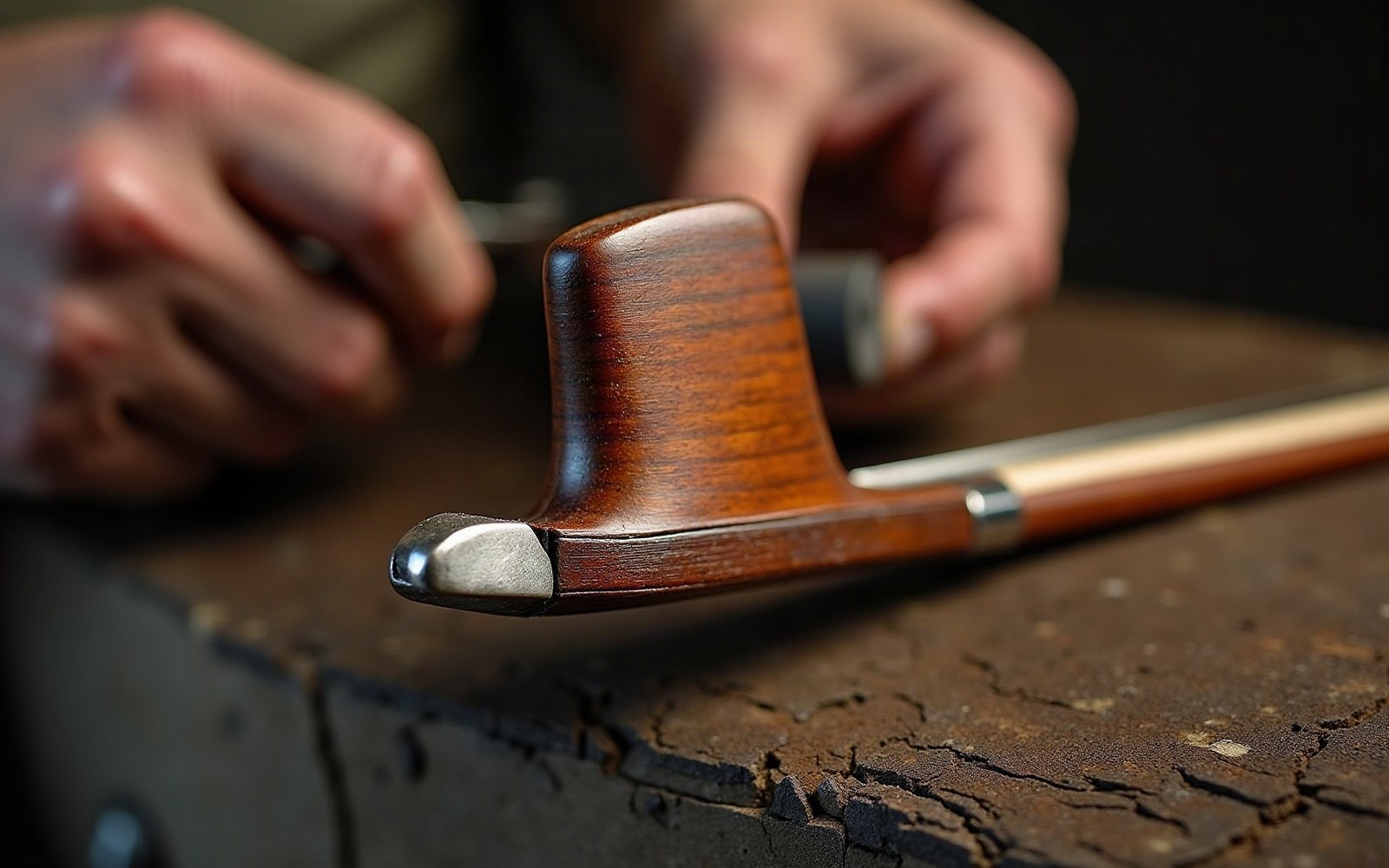
The head plate protects the mortise where the hair is wedged. Ivory was standard here until the trade bans.
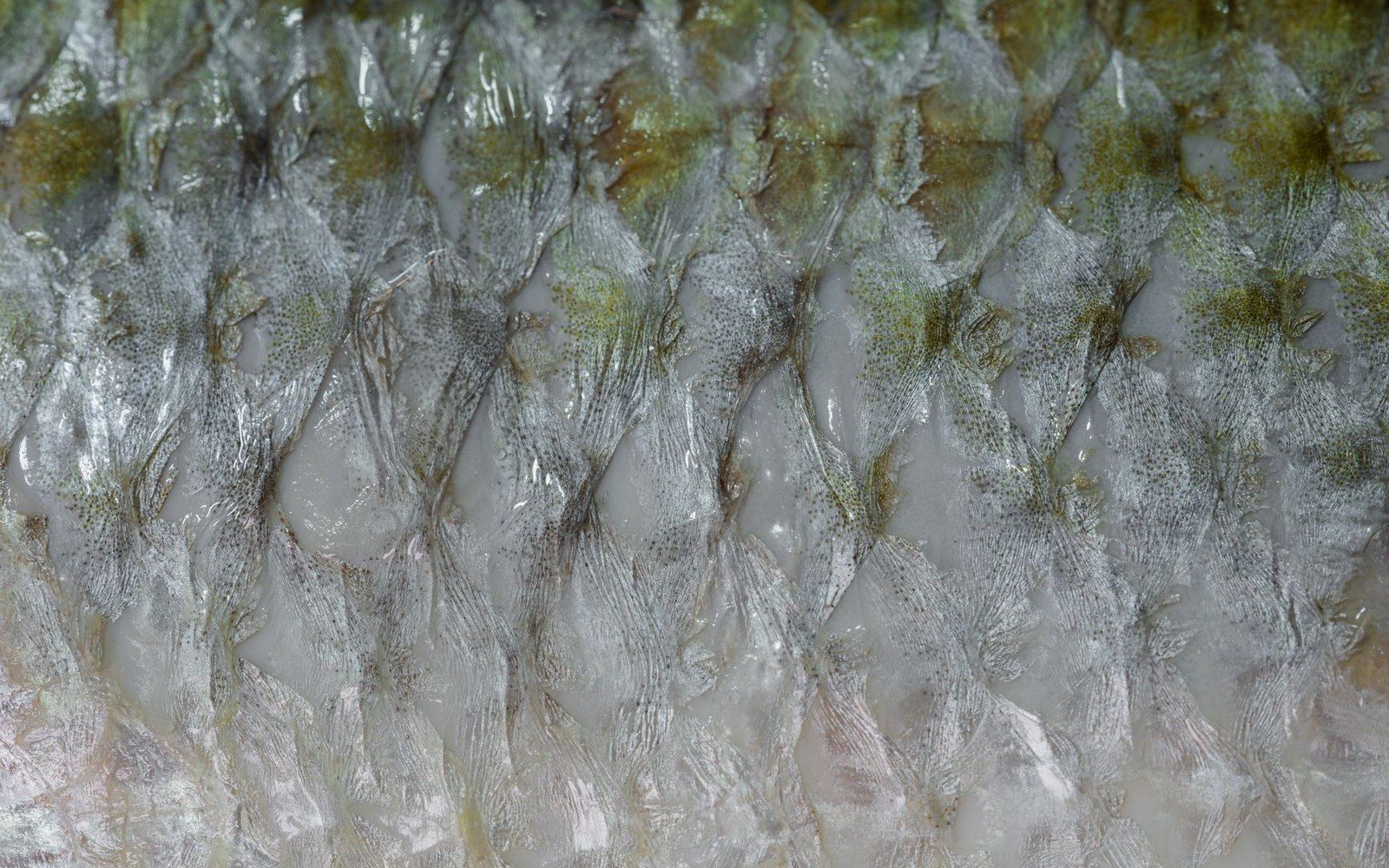
Hair is a consumable and the stick is not. The cuticle scales that hold rosin wear flat with use.
Photo: Engin Akyurt / PexelsThe Physics Happening at the Contact Point
Rosin — the solid resin left when turpentine is distilled from pine sap — is a brittle, glass-like substance at room temperature. Its crucial property is a very low softening point: typically around 60–70 °C, well within the range reached by friction at the hair–string contact zone. When the bow moves across a string, rosin at the interface softens just enough to become slightly viscous, creating a stick-slip oscillation. The hair grips the string (stick phase), pulls it sideways, the string's restoring tension overwhelms the adhesion and it snaps back (slip phase), and the cycle restarts. This is what produces a sustained musical tone. Without rosin, the hair — being nearly frictionless across its natural cuticle surface — slides over the string and produces almost nothing.
The hair itself matters because of its microscopic structure. Each strand is covered in overlapping scales, like roof tiles, angled toward the tip. These scales do not function as teeth biting the string; instead, they provide surface texture that allows rosin to lodge and be carried to the contact point. The scales also mean that hair direction matters: hair strung root-to-tip in the conventional orientation carries rosin differently than hair strung in reverse.
Why Hair Origin Enters the Calculation
Not all bow hair performs equally, and the trade distinguishes principally between Mongolian and Argentinian sources. Mongolian hair, from horses in the cold, dry steppes of Inner Mongolia, tends to have tighter cuticle scales, a smaller average diameter, and lower moisture absorption — qualities associated with consistent rosin retention and quick response. Argentinian hair, grown in warmer and more humid conditions, is generally coarser with a more open scale structure, which some players find grips more aggressively but with less evenness across the stroke.
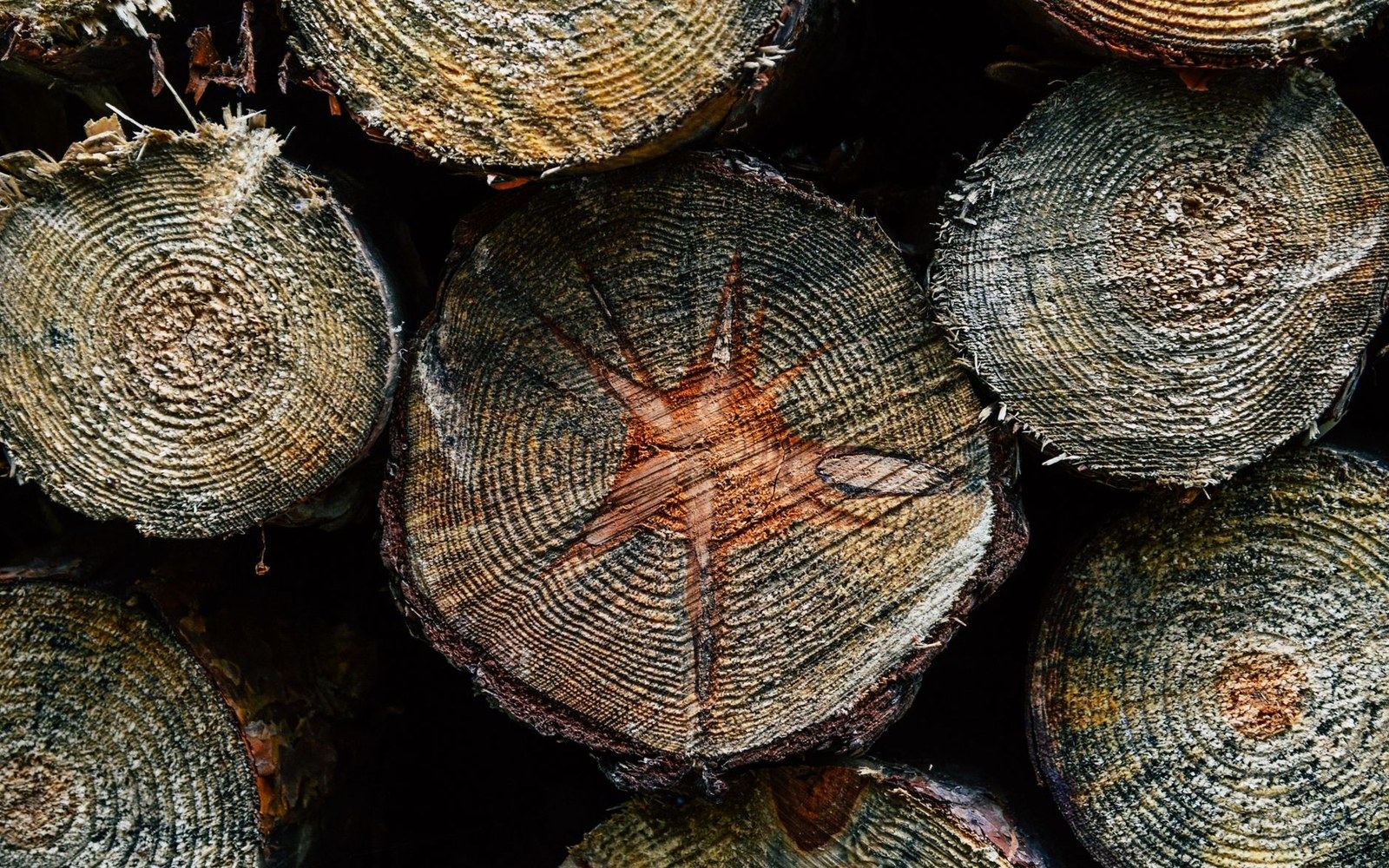
Eight planed faces raise lateral stiffness — by less than two billets of the same wood differ from each other.
Photo: wal 172619 / PexelsBoth supplies are subject to quality variation by season, diet and processing. Hair that is under-cleaned retains lanolin, which resists rosin adhesion. Over-bleached hair has damaged scales and breaks prematurely under the tension imposed by the frog's screw mechanism.
When the system breaks down, the failure is usually audible: insufficient rosin produces a thin, airy tone; excess rosin creates a scratchy surface noise as the stick-slip cycle loses regularity. Temperature and humidity shift the rosin's softening behaviour, which is why the same bow plays differently in a cold rehearsal room and a hot stage. The interface is, in the end, a tribological system — and tribology, the science of surfaces in contact, is exactly the discipline that explains why a cake of sticky resin is as indispensable to the bow as the pernambuco wood it moves.
- Stick phaserosin softens under friction heat, hair grips string
- Slip phasestring's restoring tension overcomes adhesion, string snaps back
- Repetitioncycle occurs hundreds of times per second, producing sustained tone