Endangered on the Red List: What the IUCN Assessment Says
The IUCN listing is not a headline — it is a structured argument, and the argument is worth reading.
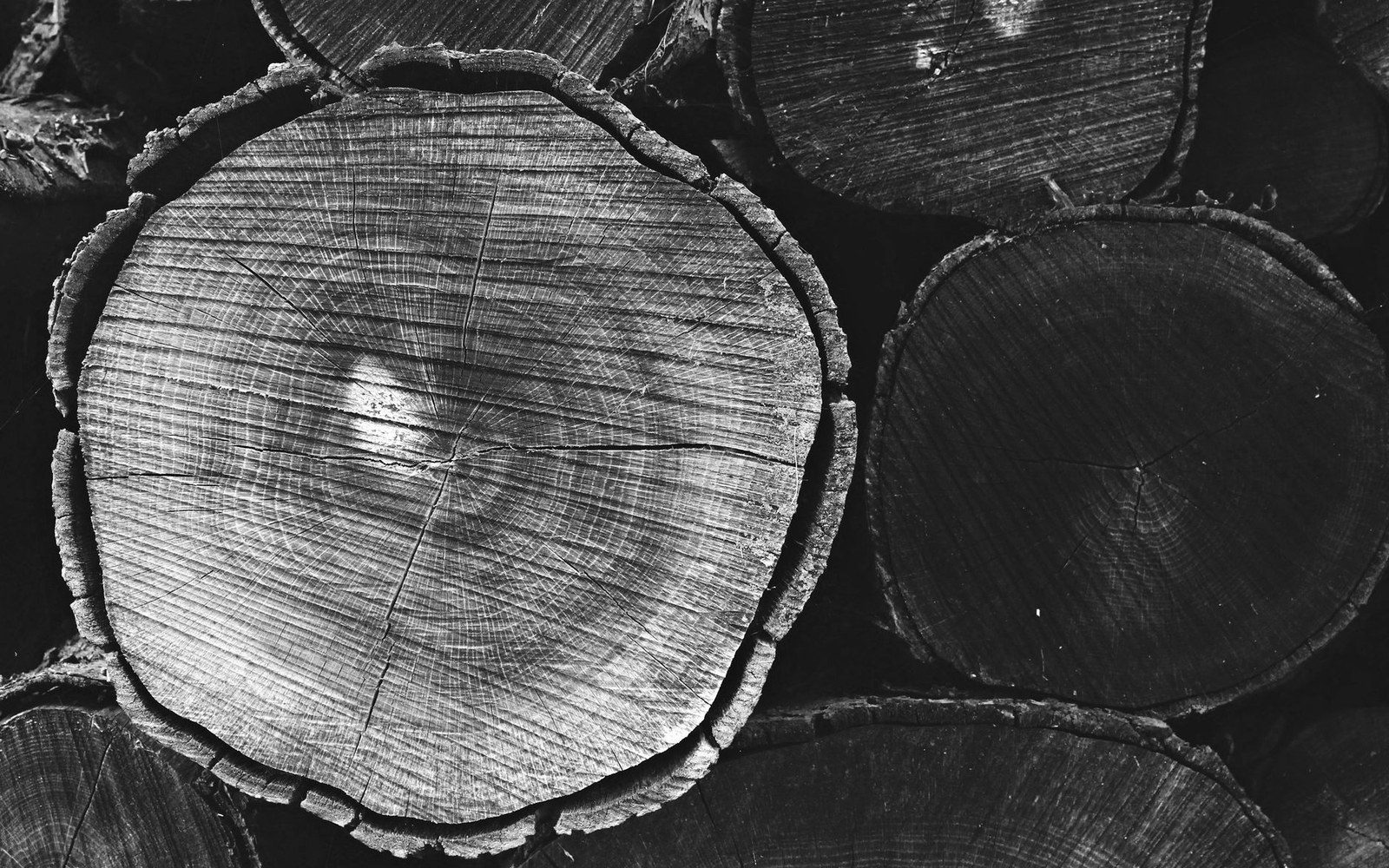
Growth rings and red heartwood. Brazilin, the dye that named the country, comes out of that colour.
Photo: Pixabay / Pexels
Endangered on the Red List. The assessment sets population decline against what is left of the forest.
What the Criteria Actually Say
Paubrasilia echinata appears on the IUCN Red List as Endangered, assessed under criterion A — the category reserved for species showing a significant reduction in population size over a defined period. The assessors applied sub-criterion A2, which covers observed or inferred reduction where the causes of decline have not necessarily ceased and may not be understood, and where the reduction is estimated from an index of abundance appropriate to the taxon. The listing is not a precautionary gesture; it is the conclusion of a scored evaluation against published thresholds.
The population data cited in the assessment reflect the wholesale clearance of the Mata Atlântica — the Atlantic Forest biome in which Paubrasilia echinata is endemic. Estimates place the remaining forest cover at roughly eleven to twelve percent of its original extent, with the tree's occurrence concentrated in Bahia, Espírito Santo and Rio de Janeiro states. Natural regeneration is slow: the species reaches reproductive maturity only after several decades, meaning that logged individuals are not replaced on any commercially or ecologically useful timescale. The assessment notes that habitat destruction, not timber extraction alone, is the primary driver of the decline; extraction compounds a loss already severe before the bow trade ever became the dominant use of the wood.

Appendix II in 2007, a stricter listing at CoP19 in 2022. A finished bow now travels with documentation.
The species was reclassified from Caesalpinia echinata to Paubrasilia echinata in 2016 following molecular phylogenetic work that separated it from the broader Caesalpinia genus. The Red List entry uses the updated binomial. The CITES Appendix II listing, which requires export permits for all worked and unworked material in international trade, followed the IUCN trajectory — first applied in 2007, tightened in 2022 — but the two instruments operate independently: CITES regulates trade, the Red List records ecological status.
What the assessment does not contain is a precise count of surviving mature individuals. The evaluators note the difficulty of population-level census data for a tree now scattered across fragmented forest patches. Absence of a number is not absence of evidence: it reflects the methodology honestly, and the Endangered classification stands without it.
- 2007CITES Appendix II listing first applied to Paubrasilia echinata
- 2016Reclassification from Caesalpinia echinata to Paubrasilia echinata following molecular phylogenetic revision
- 2022CITES listing tightened; trade controls strengthened