After Ivory and Tortoiseshell: What the Frog Is Made From Now
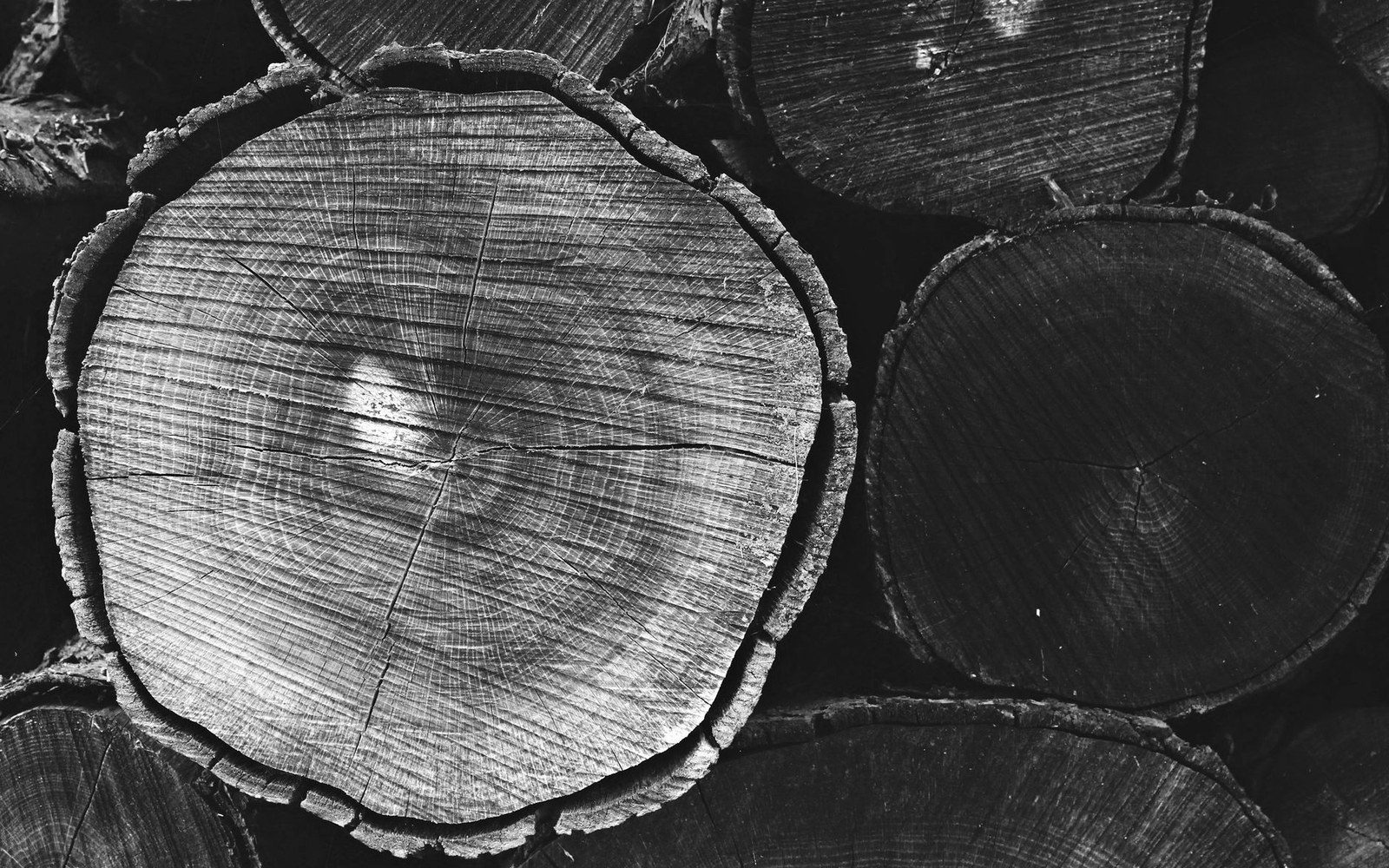
Growth rings and red heartwood. Brazilin, the dye that named the country, comes out of that colour.
Photo: Pixabay / Pexels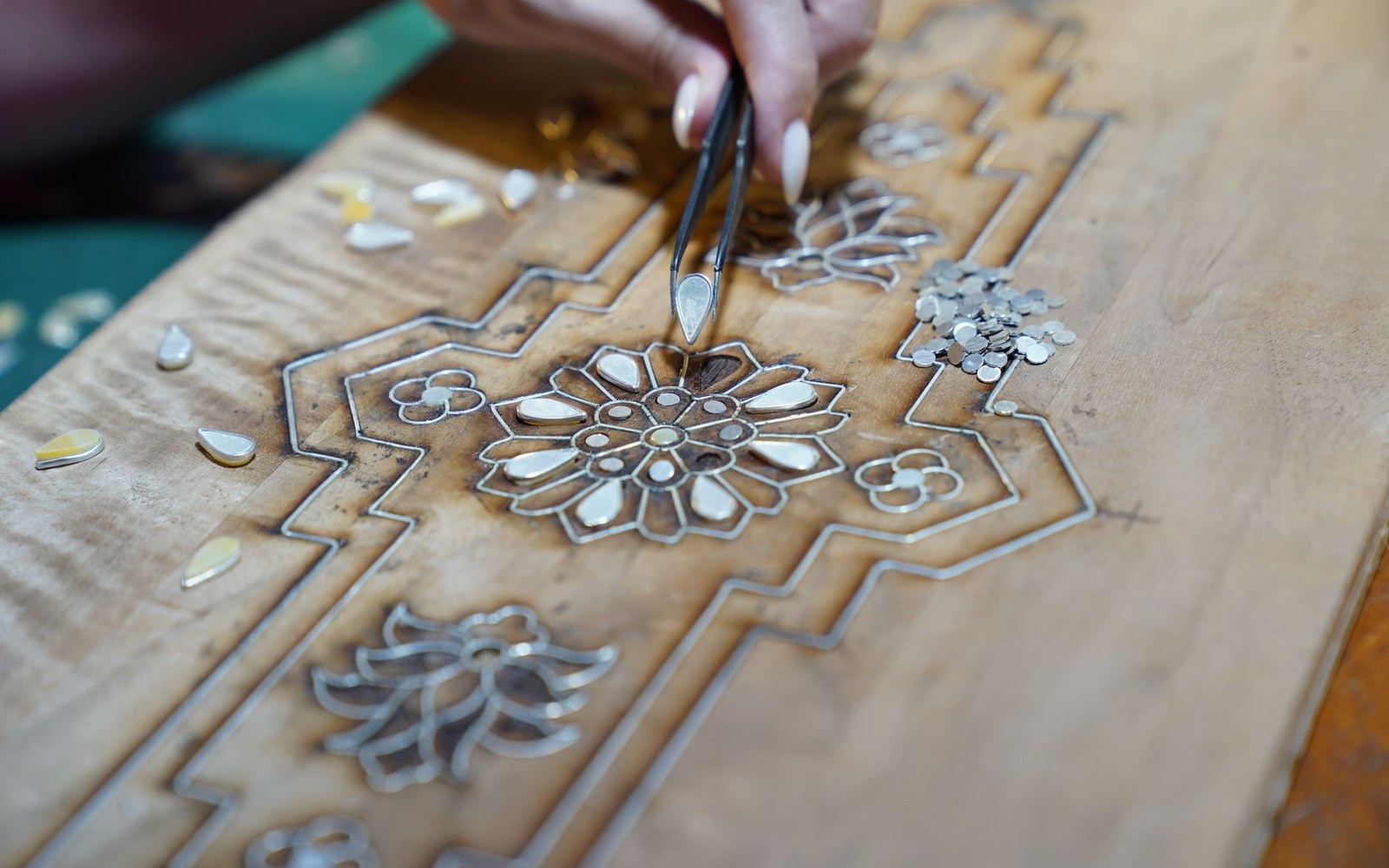
Tortoiseshell inlay on a nineteenth-century frog — a material the trade can no longer legally work.
Photo: Tahir Xəlfəquliyev / PexelsA Materials History Structured by Regulation
The frog of a violin bow has never been merely functional. Its slide, its mortise, its decorative inlay — all reward fine materials, and for most of the nineteenth century the finest were ivory and tortoiseshell. Both are now governed by international treaty, and the bow trade has spent decades working around that fact.
Tortoiseshell — specifically shell from the hawksbill sea turtle (Eretmochelys imbricata) — was controlled under CITES Appendix II from 1975, then moved to Appendix I, which effectively banned commercial trade. Elephant ivory followed a parallel trajectory: CITES Appendix II from 1977, with the near-total ban on commercial international trade codified by the 1989 ivory moratorium. Both controls apply to the finished bow as much as to raw material; a frog inlaid with pre-ban ivory or tortoiseshell requires documentation of its provenance before it can cross a border lawfully.
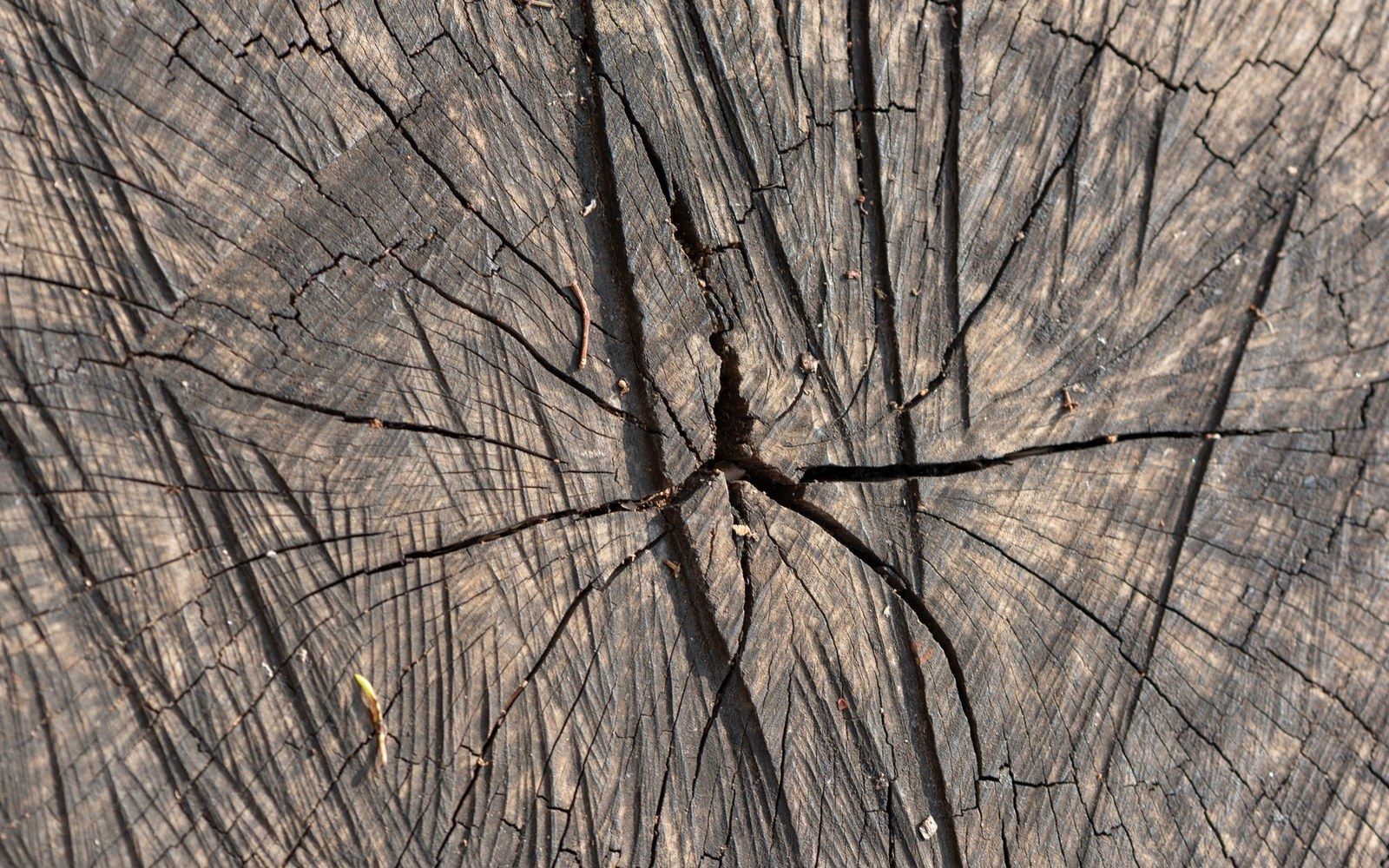
Density, modulus and internal damping in one piece of wood. No substitute has matched the combination.
Photo: Malcoln Oliveira / PexelsThe trade's first answer was mammoth ivory — material from Mammuthus primigenius excavated from Siberian permafrost, which CITES does not regulate because the species is extinct and the material is mined, not hunted. Mammoth ivory machines and polishes comparably to elephant ivory; it has become the standard premium substitute for high-end bows, though its quality is variable and its supply is tied to permafrost conditions that are themselves changing.
Silver has long been used for the ferrule and fittings of prestige bows, but it has moved further into frog construction itself as a decorative and structural material alongside synthetic alternatives. Synthetic frogs — typically injection-moulded thermoplastic composites — now equip the majority of student and mid-range bows. They are dimensionally stable, consistent and entirely outside CITES jurisdiction.
The practical consequence for players, auction specialists and conservators is that material identification now carries legal weight. A frog cannot be assumed — it must be assessed. Institutions such as the Cité de la Musique in Paris and the Ashmolean Museum in Oxford document bow materials systematically precisely because provenance determines whether an instrument can travel at all.
- 1975Hawksbill sea turtle listed on CITES Appendix II; subsequent uplift to Appendix I banned commercial trade in tortoiseshell
- 1977Elephant ivory listed on CITES Appendix II
- 1989International ivory moratorium effectively closes commercial elephant ivory trade for bow fittings and frogs