What the Violin Society of America Competitions Have Documented
The VSA's bow-making results function as something a workshop reputation cannot: a dated, adjudicated record.
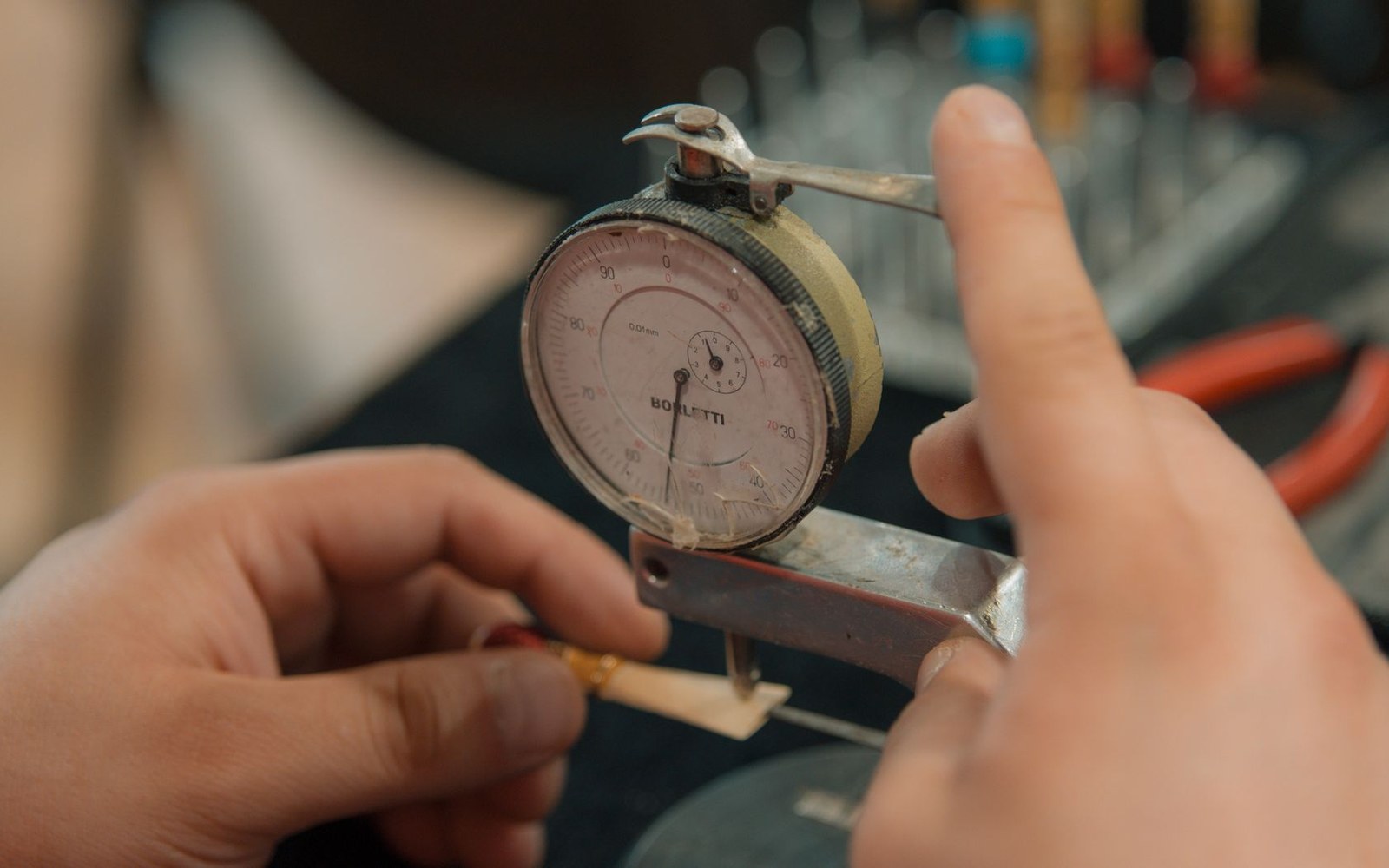
Thumb planes, calipers, gauge. Almost all of bow making is removing material that cannot be put back.
Photo: Sandin Redzo / Pexels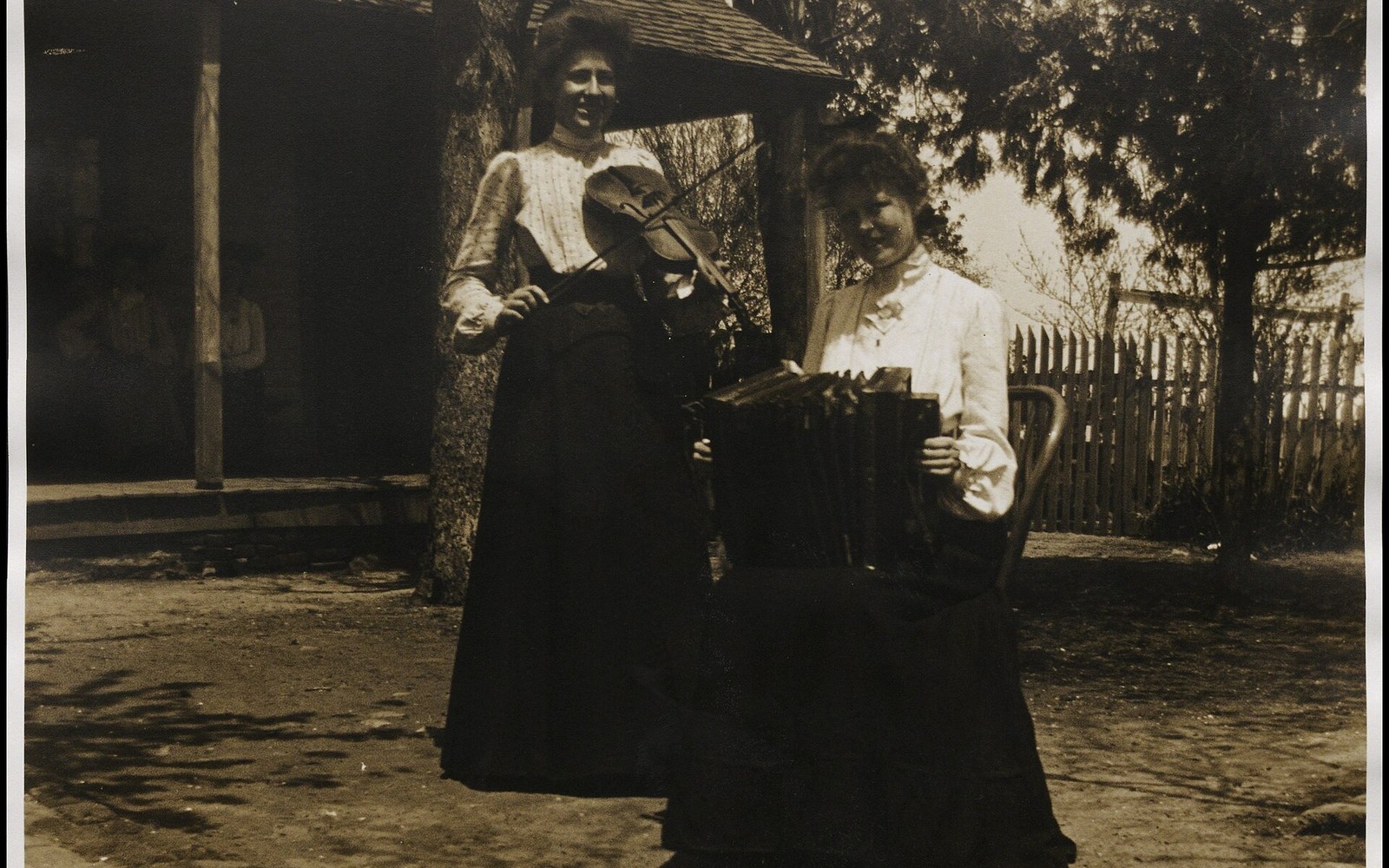
The Violin Society of America results are a dated record of adjudicated work, not a ranking of makers.
Photo: Women Playing Accordion and Violin. - DPLA - 9a7e975cd637ad4290411a729489274c · Wikimedia CommonsA Competition That Keeps Its Own Archive
The Violin Society of America has held its International Instrument Competition at intervals since the 1970s, and the bow-making categories form a running ledger of makers who presented work to a panel of examiners at a fixed moment in time. Unlike auction attributions or workshop reputations, which accrete and shift, a VSA gold or certificate of merit carries the year it was awarded and the name exactly as submitted.
The competition assesses bows on playability, workmanship and acoustic result, with examiners drawn from professional players, luthiers and bow specialists. Competition records held by the VSA list medal outcomes by instrument category and year, making them searchable as primary documentation rather than secondary reputation. A maker who took a gold medal in, say, the 1994 competition is recorded as having met that standard in that year — no more, no less.
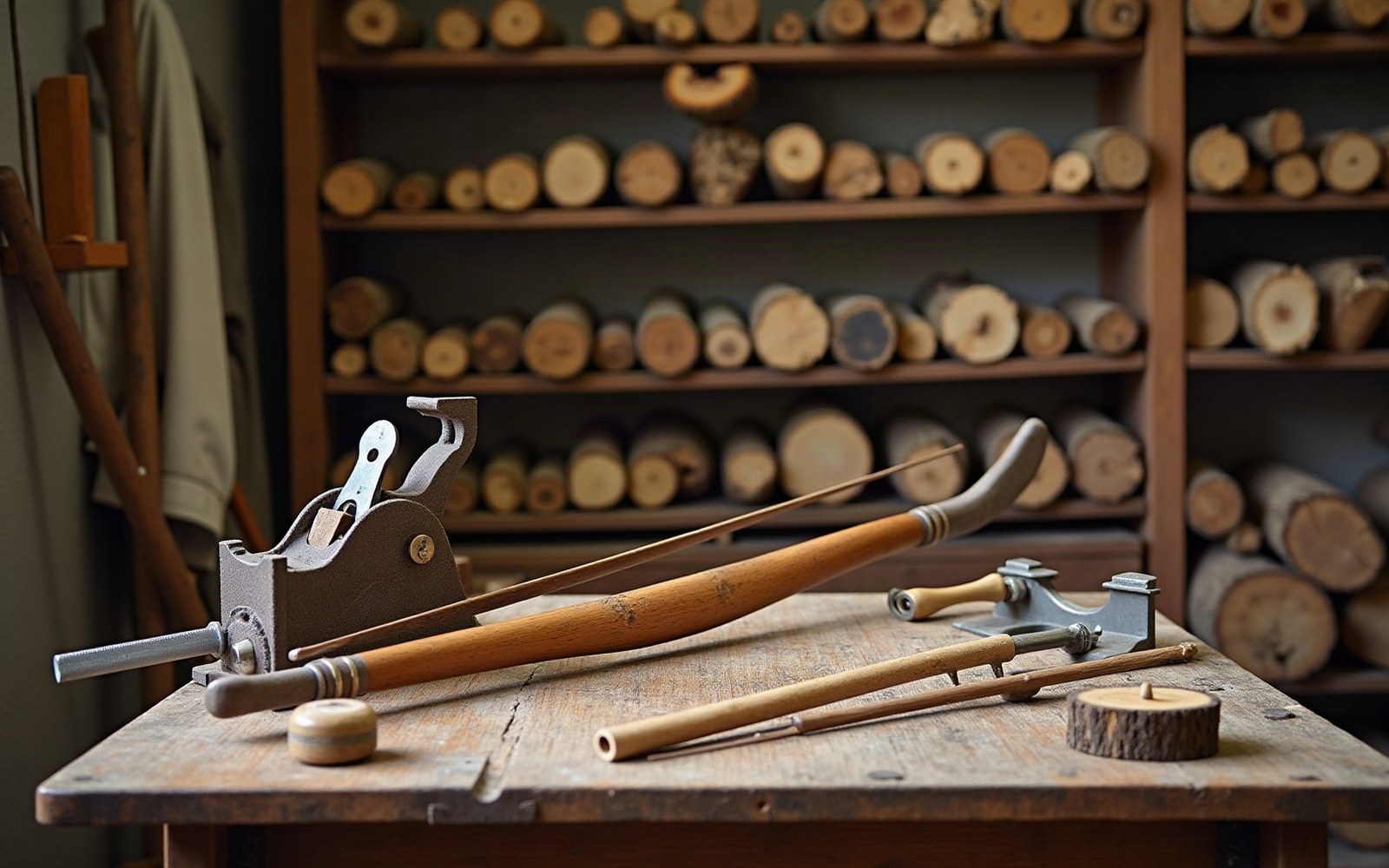
A watchmaker's son who worked by trial: lengths, weights and woods tested by players who could say what responded.
Among makers whose names appear across multiple competition cycles, the results sketch something like a career arc. Brazilian and North American makers appear alongside Europeans, reflecting both the geographic spread of the craft and, implicitly, the availability of Paubrasilia echinata — the Atlantic Forest hardwood that remains the benchmark material — at different points in the regulated trade.
The records are also useful negatively. Prominent makers sometimes did not enter; some entered and did not medal. Neither fact diminishes a maker's standing in the workshop tradition, but both distinguish the VSA archive from the kind of retrospective praise that has no documented anchor.
For conservation researchers, the competition results offer an indirect timeline: the categories and entry volumes across decades register, obliquely, the periods when pernambuco was more or less freely available to makers outside Brazil. For musicologists and auction specialists, they provide a corroborating data point — not a guarantee of authenticity, but a dated fact that sits alongside provenance, dendrochronology and stylistic analysis.
The VSA archive is, in short, a modest but reliable kind of primary source: it records who showed up, what they made, and what a qualified panel decided on a specific date.
- 1970sVSA International Instrument Competition established, bow-making categories included from early cycles
- Competitions held at intervals (not annually)each cycle generates a dated, publicly listed set of results
- Multiple decades of records now available via the VSA website