Oxford and Paris: Two Collections, Two Approaches to the Same Object
The bow is not a footnote. How the Ashmolean and the Cité de la Musique have each decided to present it tells you something about how Europe frames its instrument collections.
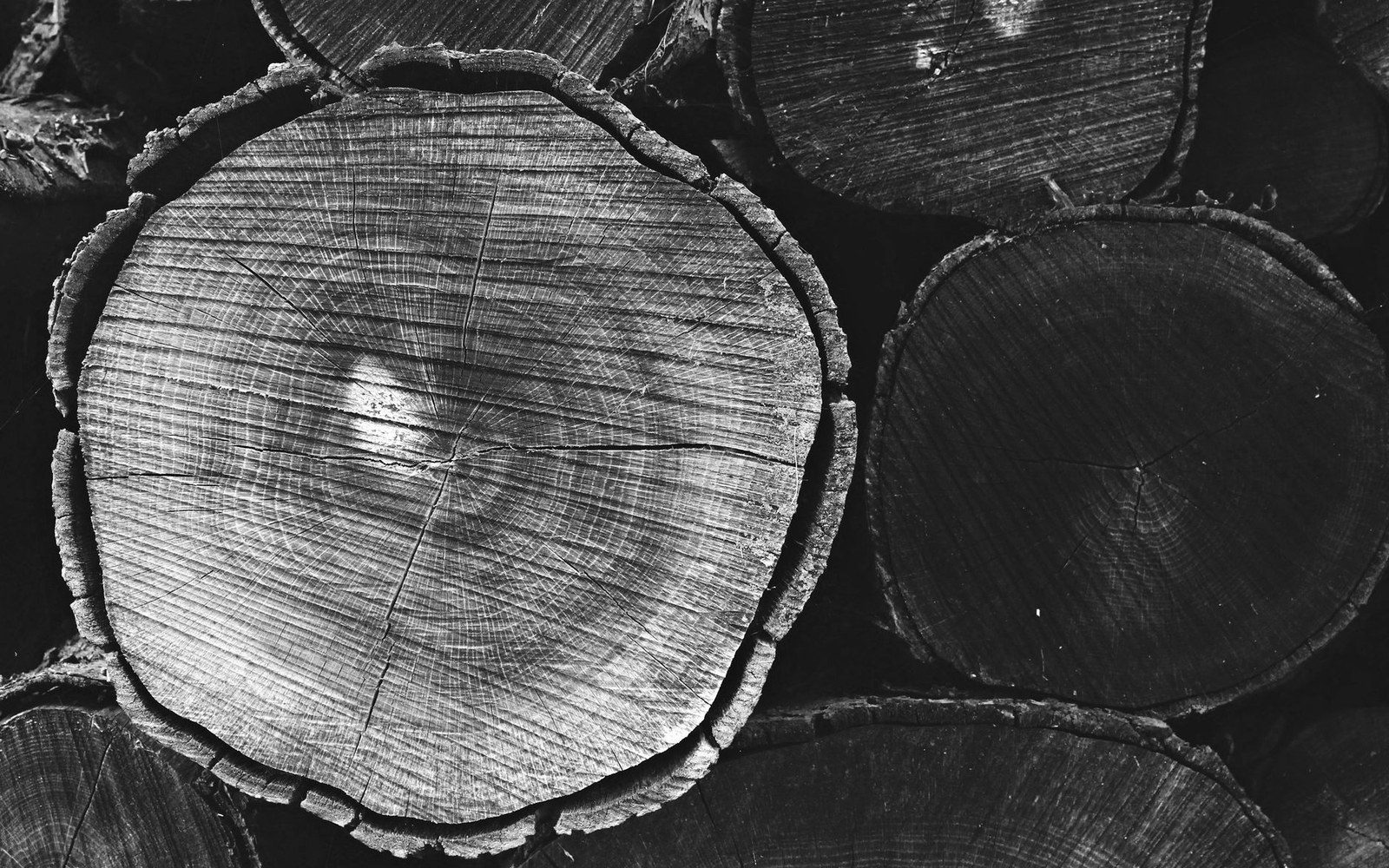
Growth rings and red heartwood. Brazilin, the dye that named the country, comes out of that colour.
Photo: Pixabay / Pexels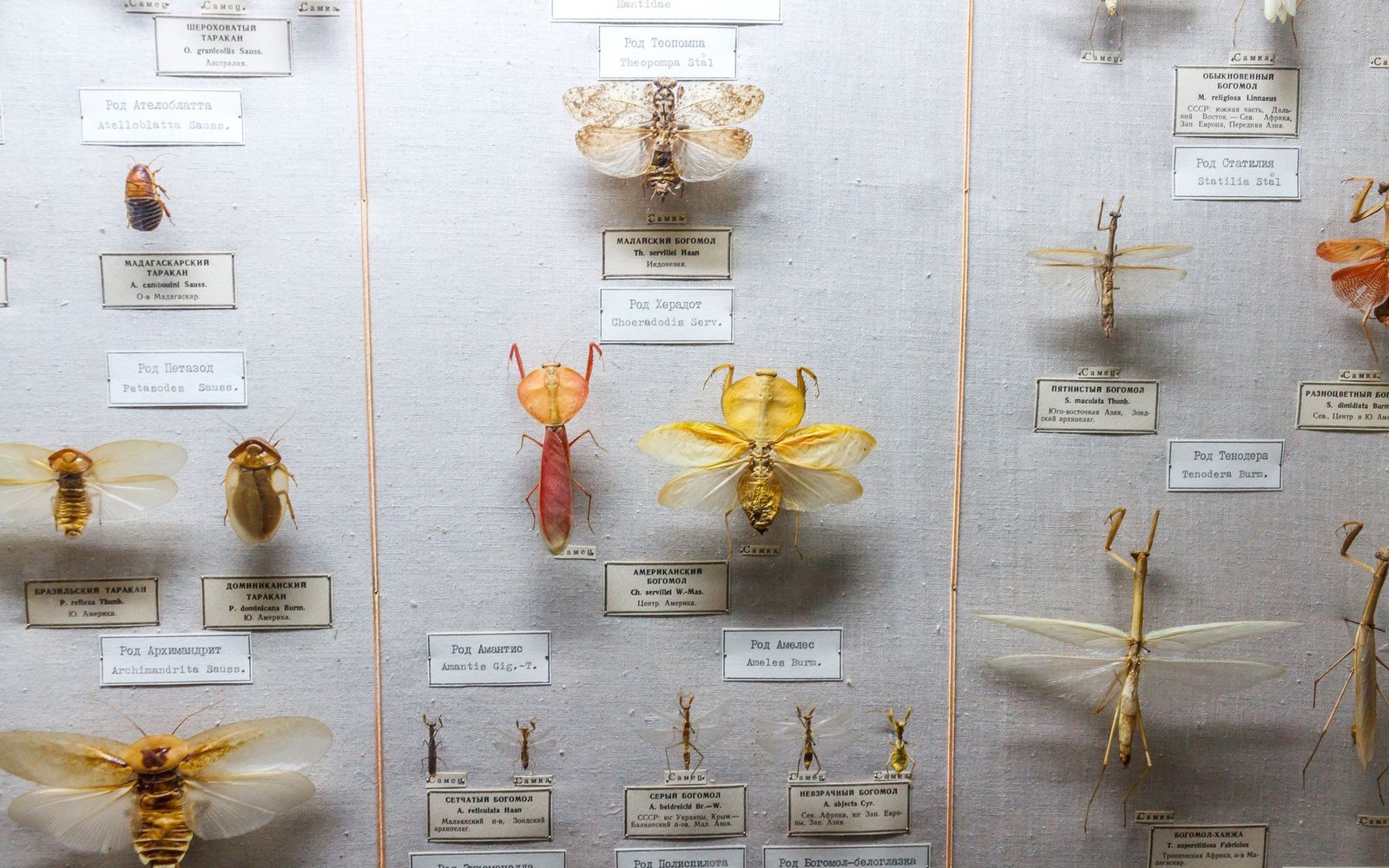
Two catalogues, two philosophies: the bow as art history, or as part of an instrument's working life.
Photo: Tamula Aura / PexelsA Question of Context
The Ashmolean Museum in Oxford holds a collection of historical musical instruments that arrived, largely, through bequest — accumulated by private scholars and absorbed into a university setting that prizes object and document together. The Cité de la Musique in Paris — now incorporated within the Philharmonie de Paris — operates from a different premise entirely: a purpose-built institution, opened in 1995, whose instrument collection was assembled with pedagogic and public reach as explicit goals. Both institutions own bows. What they do with them, and what they say about them, differs in ways that illuminate curatorial philosophy as much as acquisition history.
At the Ashmolean, bows appear primarily as adjuncts to the stringed instruments they accompany. The collection's strength lies in earlier periods, and a bow — where it survives with its instrument — tends to be catalogued as part of that instrument's context rather than as an independent artefact. This is not neglect; it reflects a long tradition in organology of treating bow and fiddle as a single unit of evidence. The consequence, however, is that the bow's own material history — the specific properties of the pernambuco stick, the evolution of the frog and head, the craft lineage from maker to maker — receives less independent attention than the instrument body. A François Xavier Tourte bow in an Oxford storeroom is documented, but its documentation tends to serve the violin it accompanies rather than the two centuries of bow-making history it represents on its own terms.
Paris Builds Outward from the Object
The Cité de la Musique's approach to its instrument collection is, by contrast, deliberately expansive. The institution's published catalogue and its digital database, accessible through the Philharmonie de Paris, present instruments — including bows — with extended contextual entries that address manufacture, provenance, maker biography and acoustic function. A bow by Dominique Peccatte or Eugène Sartory in the Paris collection is not filed under its associated violin; it is indexed as an independent work, with attribution, period, condition and interpretive notes recorded separately. The collection has also been the subject of sustained scholarly publication, including contributions to the study of Mirecourt workshop practice and the material culture of nineteenth-century French bow-making.

The forest survives as fragments in farmed land. The coastal belt held most of the pernambuco.
Photo: Casal de Guigós Bahia 2021 · Wikimedia CommonsThis difference matters for researchers. A musicologist tracing the Voirin-to-Sartory transition, or an instrument specialist assessing how W. E. Hill & Sons bows entered continental circulation, will find the Cité de la Musique's records easier to navigate as bow-specific sources. The Philharmonie de Paris collection database organises by maker and period in ways that treat the bow as primary evidence, not supporting material.
The Ashmolean's corresponding strength is precisely its embeddedness in broader archival culture. An Oxford researcher has access not only to the instruments but to the manuscript and documentary collections that surround them — letters, inventories, trade catalogues — which can anchor a bow within its economic and social moment in ways that a purpose-built music museum finds harder to replicate. The Ashmolean's instrument holdings are catalogued within a context that values cross-collection connection, even if the bow itself is not always the central object of that connection.
What Each Approach Costs
Neither philosophy is wrong, and neither collection is complete. What the Ashmolean's contextual embeddedness costs is bow-specific granularity — the kind of detail about camber, stick geometry and wood origin that makers and conservation researchers need. What the Cité de la Musique's object-centred model costs is the broader documentary surround that gives a bow its social life beyond the workshop. The ideal research visit draws on both: Paris for maker, period and physical description; Oxford for the instrument's biography in the world.
The deeper point is that a bow is simultaneously a mechanical tool, a craft object, a species-use record and a social artefact. Which of those identities a collection foregrounds depends less on what it owns than on what questions it was built to answer.
| Ashmolean approach | bow as adjunct to instrument; contextual and archival |
| Cité de la Musique / Philharmonie de Paris approach | bow as independent artefact; maker-indexed, period-catalogued |
| Cost of each model: granularity vs. documentary surround |