The Makers Who Stayed Near the Wood
Brazilian bow makers of the twentieth century built a documented tradition within reach of the forest that supplied the world — and the European record has been slow to acknowledge it.
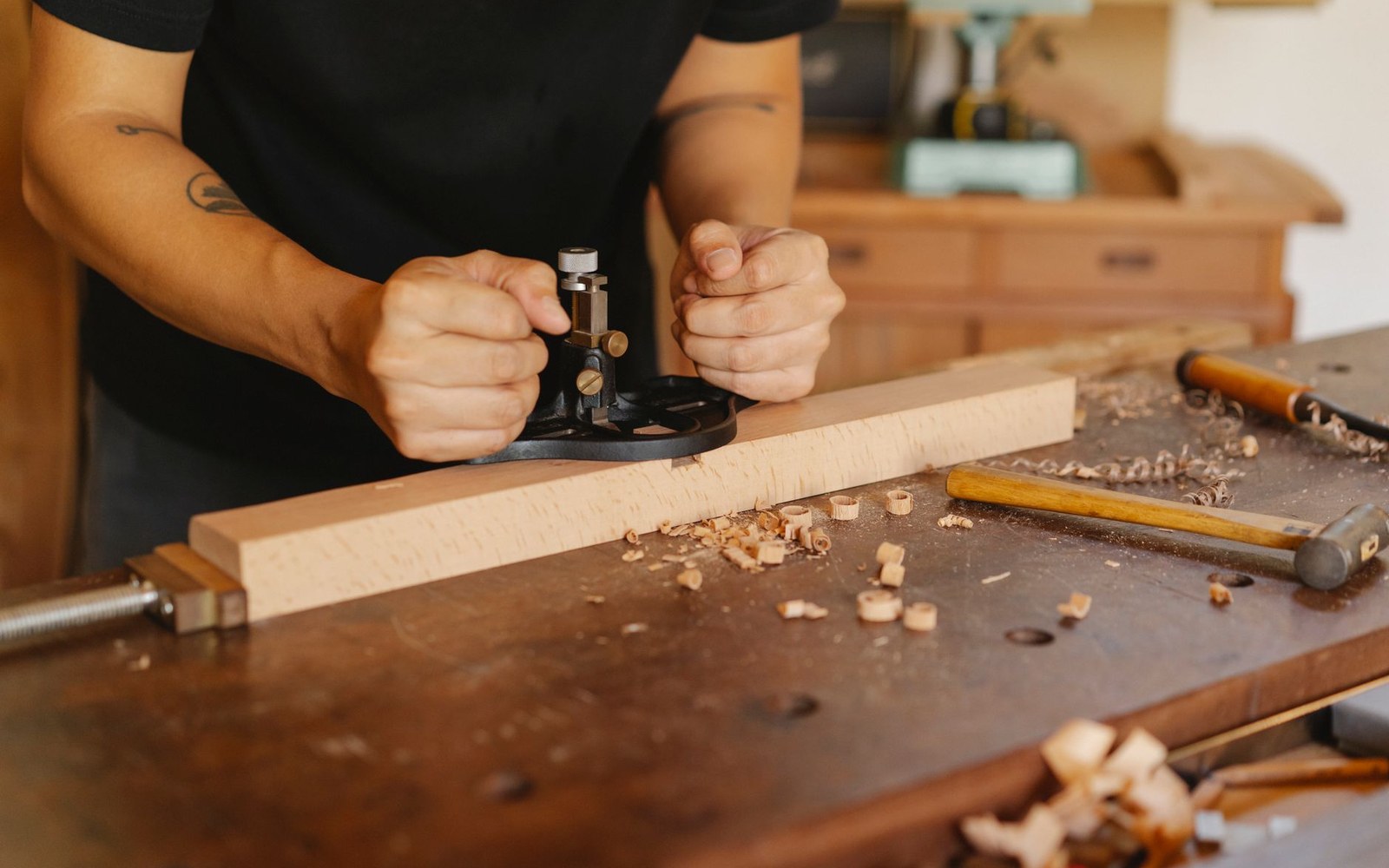
A billet is planed down by hand before a single facet is cut. What the maker is reading is grain direction, not thickness.
Photo: Ono Kosuki / Pexels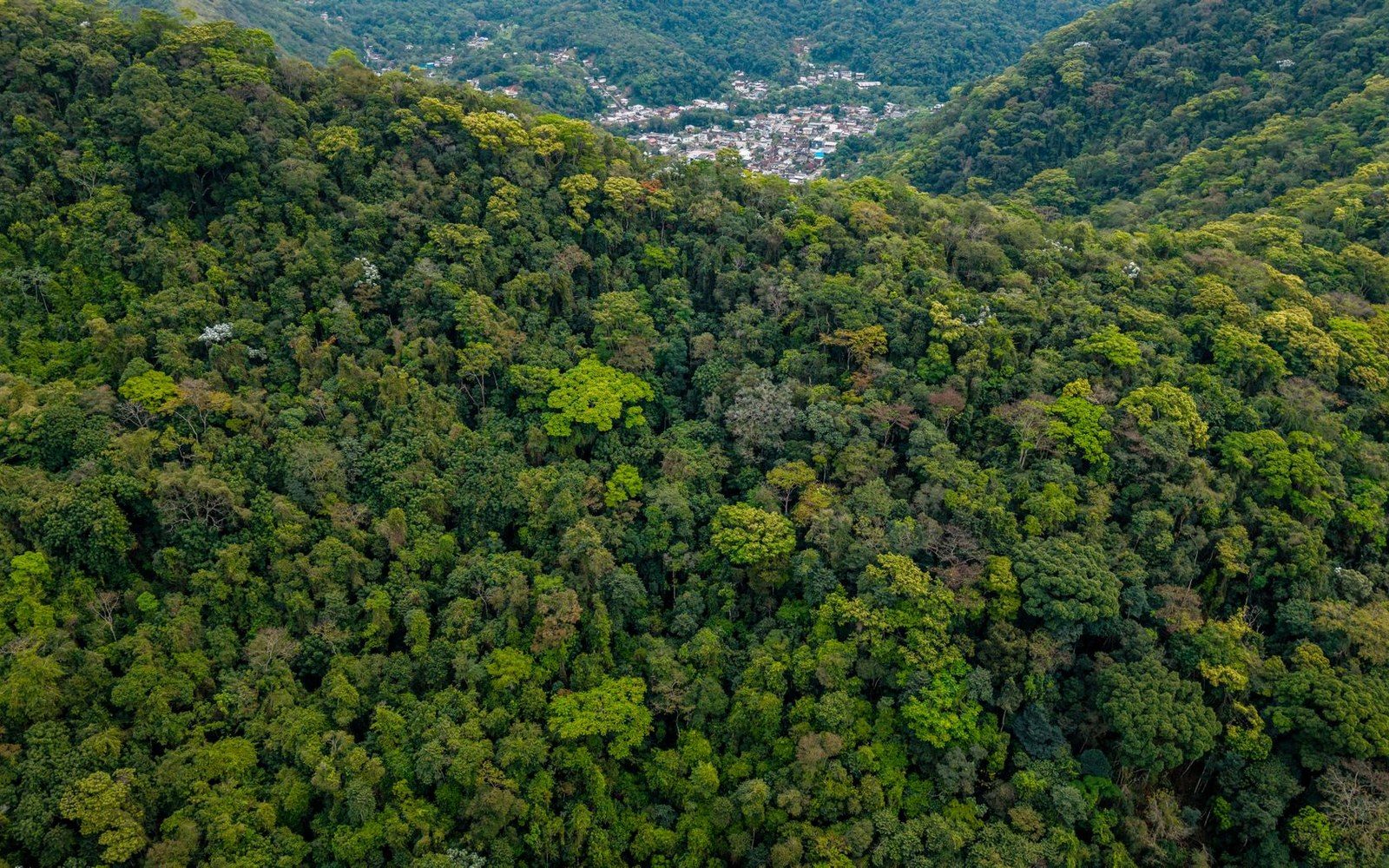
The tradition that grew up beside the supply, and that the European record has consistently underweighted.
Photo: Filipe Braggio / PexelsA Craft That Grew Where the Tree Grew
The history of violin bow making is told, almost reflexively, through Mirecourt and Paris — through François Xavier Tourte, through the Peccatte and Voirin lineages, through the workshop systems of London and Markneukirchen. Brazil appears in that account as a source: the Atlantic Forest that produced Paubrasilia echinata, the pernambuco that every major European maker from Tourte onward depended upon. What the standard account leaves out is that Brazil also produced makers.
The Brazilian bow-making tradition is not a recent phenomenon born of conservation pressure or material scarcity. Ateliers in Rio de Janeiro and São Paulo were producing bows for professional use by the mid-twentieth century, drawing on a domestic supply of pernambuco heartwood at a time when European importers were working from stockpiles shipped across the Atlantic. Proximity to the wood was a practical advantage and, in retrospect, a historically significant one: Brazilian makers could inspect and select timber directly, assessing the density, grain straightness and camber potential that laboratory measurement would later quantify as the modulus of elasticity and internal damping coefficient that distinguish pernambuco from every commercially available alternative.
What the VSA Record Shows
The Violin Society of America competitions provide the most systematic dated record of bow makers working outside the European centres. Brazilian makers appear in that record from the 1980s onward — a period that coincides with growing international attention to pernambuco's conservation status and, not coincidentally, with the beginnings of organised replanting efforts in Bahia and Espírito Santo. The VSA results document makers by name and by award level, offering a form of external validation that auction-house attribution had previously reserved almost exclusively for French and German work. The record shows Brazilian entrants receiving recognition across instrument categories, confirming that the domestic tradition had achieved a technical standard the international community could measure against its own criteria.
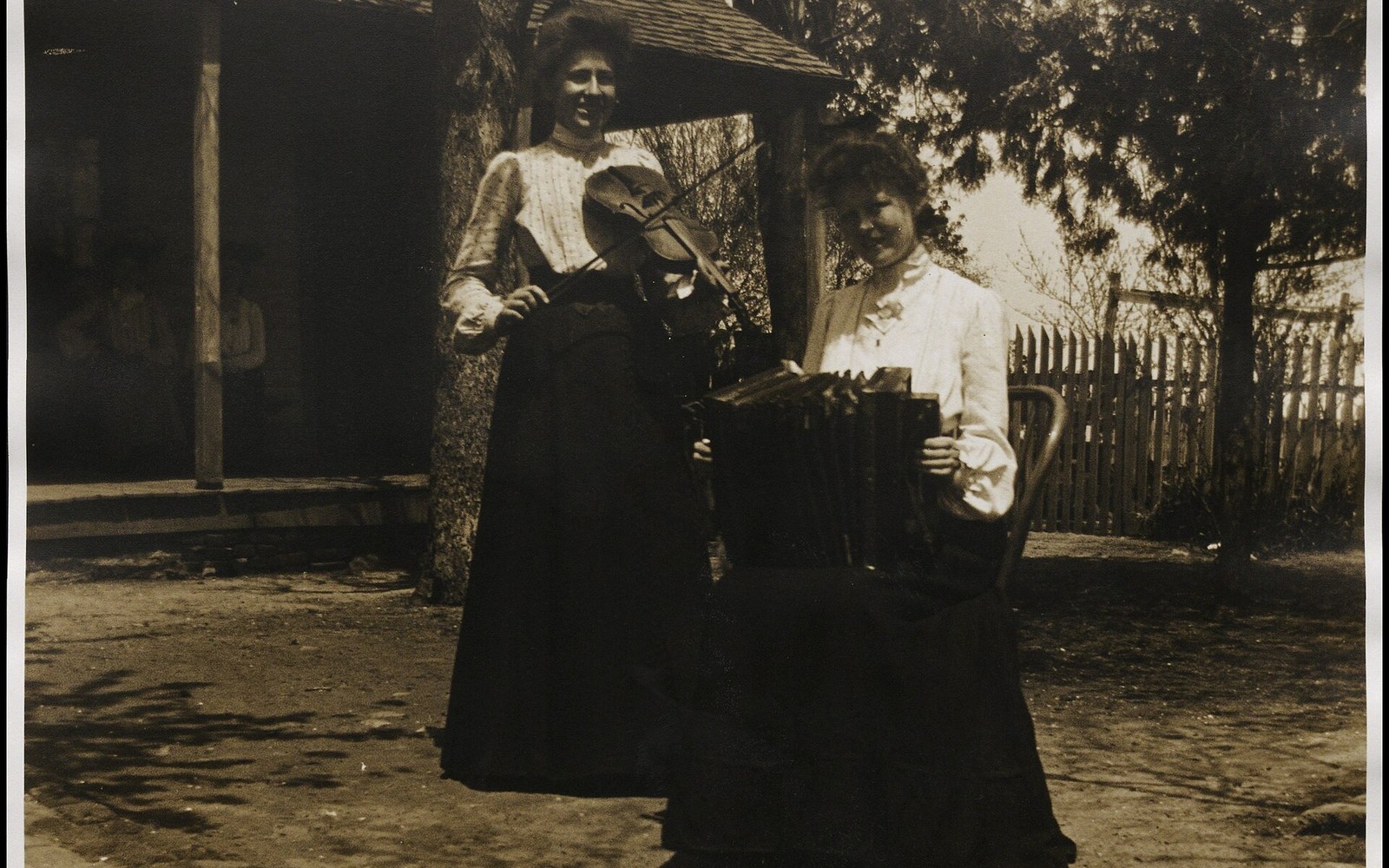
The Violin Society of America results are a dated record of adjudicated work, not a ranking of makers.
Photo: Digital Public Library of America via Wikimedia CommonsEmílio De Carvalho is among the Brazilian makers whose work is documented in the trade press and competition record of the later twentieth century. His profile — a maker working within the country of origin, with access to domestic-grade timber at a moment when IBAMA was tightening export controls — is representative of a broader pattern: craftspeople whose position relative to the supply chain shaped their practice in ways that European contemporaries did not share. The IBAMA export framework, formalised progressively from the 1990s, affected how Brazilian makers sourced material domestically even as it restricted what could leave the country.
What the European Omission Cost the Record
The underweighting of Brazilian work in the European auction and scholarship record has material consequences for how that record is read. Bows attributed to unnamed or generic South American origins have passed through major sales at Tarisio and Sotheby's without the attribution scrutiny applied to French or German pieces of comparable quality and date. The absence of systematic documentation — catalogue entries, workshop records, apprenticeship lines — for the Brazilian ateliers means that the comparative database remains incomplete precisely where supply and craft intersected most directly.
The IUCN's Endangered listing of Paubrasilia echinata, which reflects decades of habitat loss across the Mata Atlântica, gives the Brazilian bow-making tradition an additional historical weight it did not ask for: the makers who worked near the wood were working near a disappearing resource, and their craft record is also an inadvertent document of what the Atlantic Forest was still capable of yielding. Recovering that record — through VSA archives, through Brazilian musicological scholarship, through the holdings of institutions such as the Musical Instrument Museum in Phoenix — is not an act of regional advocacy. It is basic archival accuracy.
- Mid-twentieth centuryBrazilian urban ateliers (Rio de Janeiro, São Paulo) producing bows for professional use
- 1980s onwardBrazilian makers documented in Violin Society of America competition results
- 1990s onwardIBAMA export controls progressively tightened, reshaping domestic sourcing
- 2016Paubrasilia echinata reclassified from Caesalpinia echinata (taxonomic change)
- CITES Appendix II listings (2007, 2022)international trade regulation formally affecting pernambuco